Share
Montargil Honey Pudding
Montargil honey pudding combines eggs, honey and olive oil, with fragrant notes of lemon and cinnamon. The mixture is prepared without beating and baked in a greased mould, without caramel. Serve chilled, in small slices, at the end of a celebratory meal.
A festive recipe from Montargil
The Alentejo Gastronomic Guide records this pudding in Montargil, in the municipality of Ponte de Sor, in an interview with Lino Mendes conducted by Teresa Simão in 2012. The collection associates it with festive occasions. The defining instruction is simple: combine the ingredients without beating, adding the flour at the end.
Estimated yield: 10 to 12 slices
Preparation: about 20 minutes
Oven: approximately 60 to 80 minutes
After baking: cooling and at least 4 hours in the fridge
Ingredients
- 9 medium eggs
- 400 g sugar
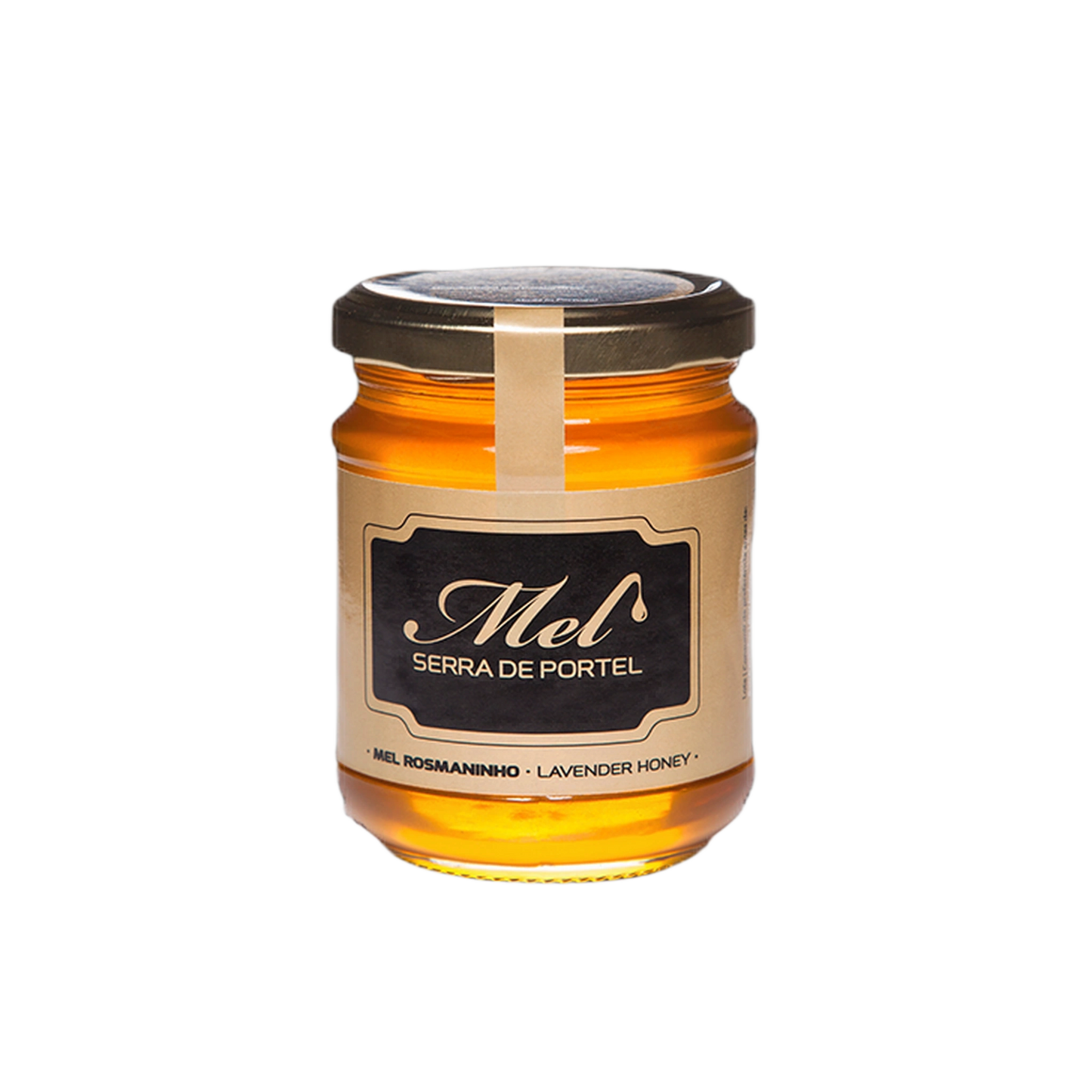
- 2 tablespoons Serra de Portel Rosemary Honey, about 40 g
- 2 level tablespoons plain flour, about 20 g
- 2 tablespoons olive oil, about 30 ml
- Finely grated zest of 1 lemon, yellow part only
- ¼ teaspoon ground cinnamon
- Margarine for greasing the mould
- Hot water for the bain-marie
How to make Montargil honey pudding
-
Prepare the oven and mould.
Preheat the oven to 160 °C, without the fan. Carefully grease a metal ring mould with margarine; it should be about 20 cm in diameter and have a capacity of approximately 1.5 litres. Choose a deep roasting tin in which the mould fits without being cramped. Heat water for the bain-marie. -
Fold the eggs in with the sugar and honey.
Crack the eggs into a bowl, one at a time. Break up the yolks with a spoon or whisk, without beating or creating foam. Add the sugar, honey, olive oil, lemon zest and cinnamon. Stir slowly until evenly combined. -
Add the flour at the end.
Sift the flour into a small bowl and add a few spoonfuls of the egg mixture, stirring until smooth. Return this mixture to the main bowl and fold in gently. Pour into the greased mould, filling it no more than three-quarters full. -
Bake gently in a bain-marie.
Place the mould in the roasting tin and put it in the oven. Pour hot water into the tin until it reaches approximately halfway up the outside of the mould, taking care not to let any water get into the pudding. Bake for about 60 to 80 minutes. Start checking after 55 to 60 minutes: the edges should be firm and the centre should wobble slightly as a whole, without rippling like liquid. A skewer should come out without any uncooked egg mixture on it. If the surface starts to brown before the centre has set, cover it with aluminium foil without letting it touch the mixture. Top up the roasting tin with hot water if necessary. -
Leave to cool and refrigerate.
Carefully remove the tin from the bain-marie and place it on a cooling rack. Leave it to cool, then refrigerate it, without leaving the pudding at room temperature for more than two hours. Once chilled, cover it and leave to rest for at least 4 hours, preferably until the next day. -
Unmould and cut into slices.
Run a thin knife along the outer edge and around the central tube without cutting into the pudding. If needed, dip only the base of the tin in warm water for a few seconds. Cover with a plate and turn over in one swift motion. Serve chilled, cutting each slice with a clean knife.
The key is not to beat the mixture
Stir only as much as needed to combine the ingredients. Beating vigorously incorporates air and can leave more bubbles in the pudding. In the oven, use gentle heat and don’t wait for the centre to become completely firm: it will continue to set as it cools. Timing varies depending on the tin and oven, so signs of doneness are more useful than the clock alone.
Wine pairing
We recommend Vidigueira White Liqueur Wine DOC, served chilled in a small measure. Its sweet, velvety profile complements the richness of the eggs and honey. To make the pudding, use Serra de Portel Rosemary Honey, 270 g, with a delicate, light flavour.
Preparing ahead and storage
Prepare the day before and keep the pudding covered in the fridge at 4 °C or below until serving. Ideally, consume within 2 to 3 days. Take out only the portion you need and avoid leaving it on the table for long periods.
More Alentejo sweets
If you enjoy the combination of honey and olive oil, also discover the Vidigueira Bolo Podre with Honey and Olive Oil.
Source and adaptations
Alentejo Gastronomic Charter (2013), p. 337, “Honey Pudding”, Montargil, Ponte de Sor. Interview with Lino Mendes by Teresa Simão, Leader-Sor, in 2012. Recipe recorded in Alentejo, adapted by Herdade do Estacal for the “À Mesa com o Alentejo” blog.
We kept the nine eggs, 400 g of sugar and two tablespoons of honey, flour and olive oil, the mixture without beating, the flour added at the end, and the tin greased with margarine. We specified the amount of lemon and cinnamon and the type of flour. The gram and millilitre equivalents, tin size, bain-marie, temperature, timings and cooling instructions are adaptation guidelines, not details from the original record. Yield and timings are estimates and have not been kitchen-tested. Illustrative image generated for this article.