Share
Alentejo-style lamb stew
Alentejo-Style Lamb Stew
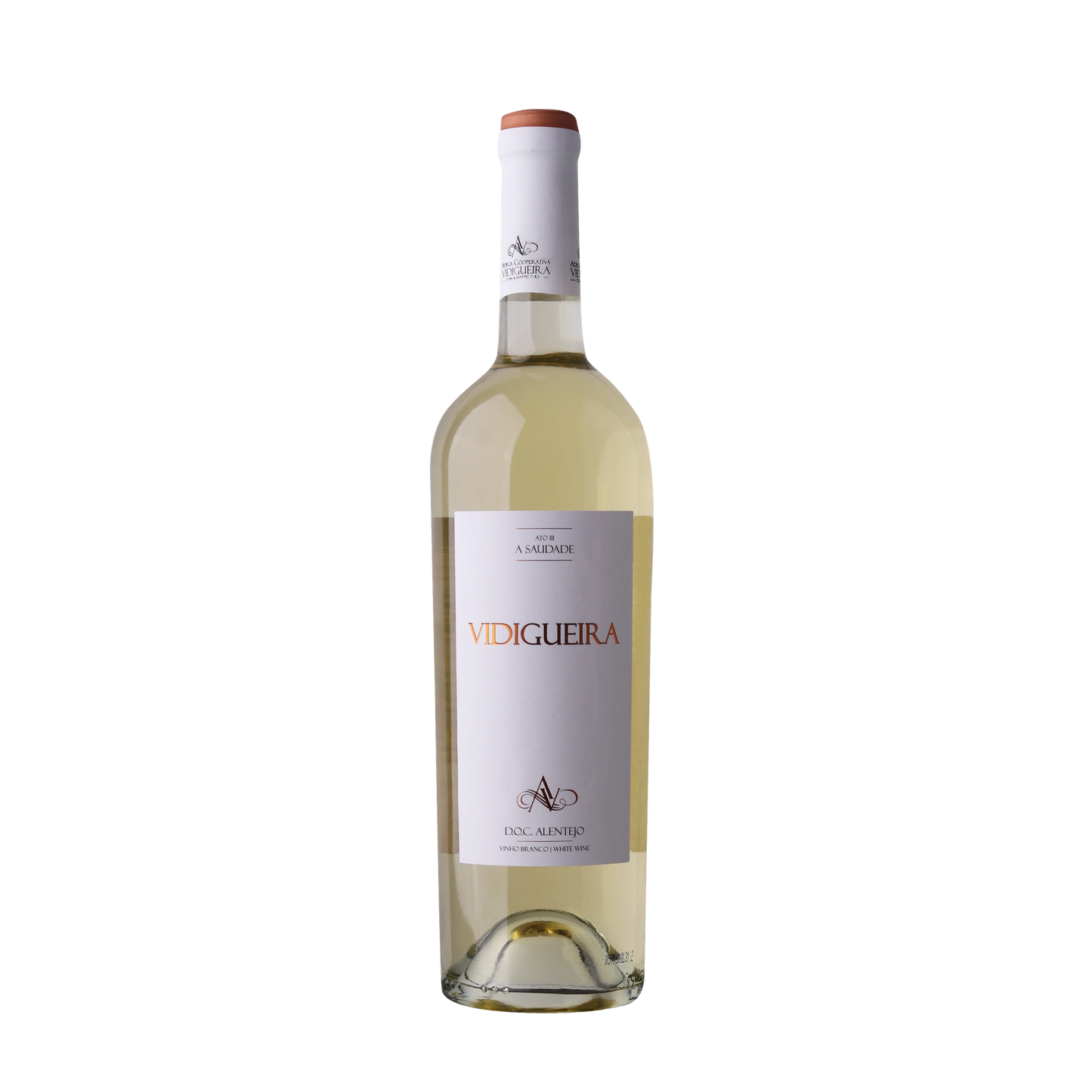
Pairing: Vidigueira Antão Vaz | Cordovil Extra Virgin Olive Oil
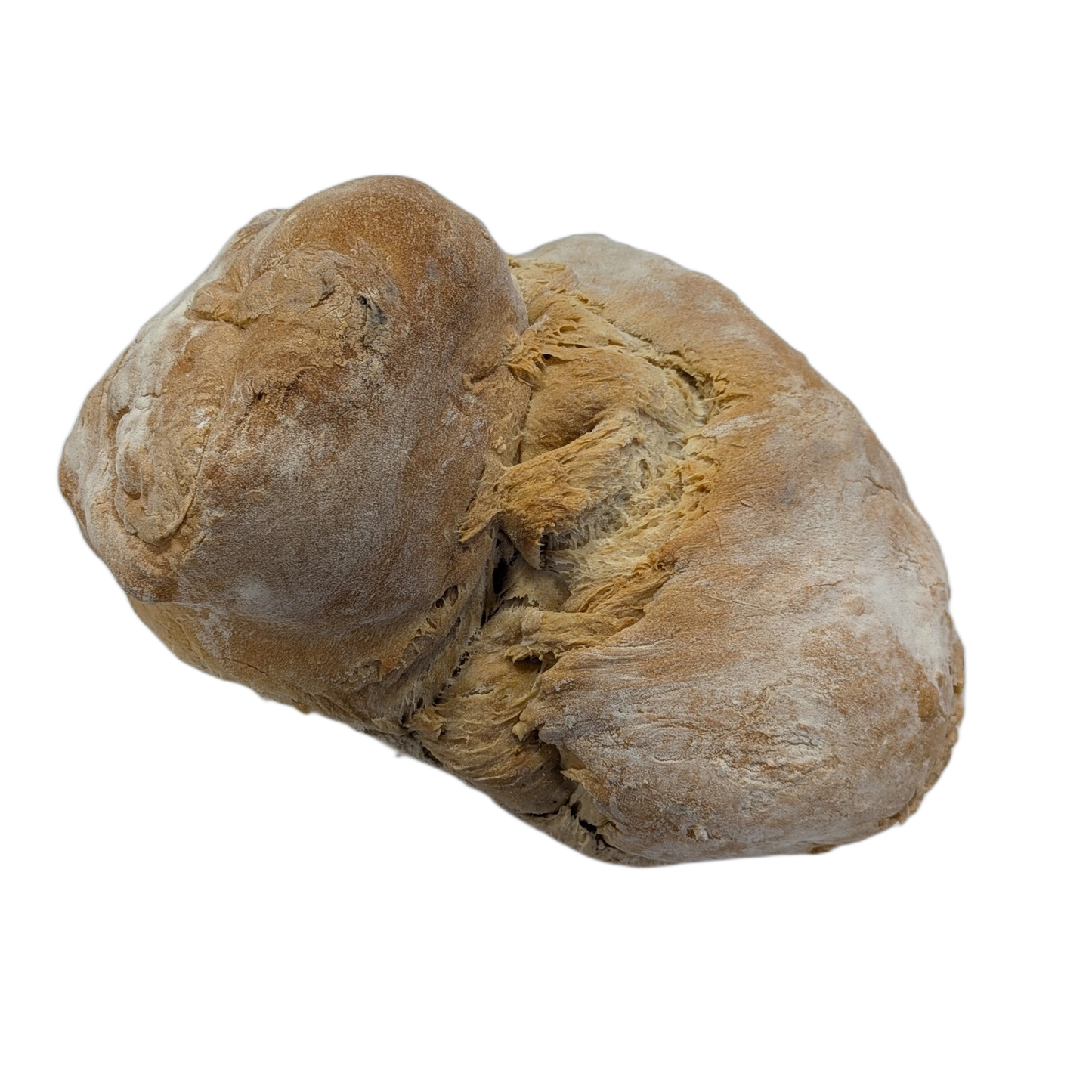
Serving suggestions: Serve with Alentejo Bread and a board of Alentejo Paínho and Herdade do Estacal Cured Sheep's Cheese. To finish, enjoy Herdade do Estacal Extra Pumpkin Preserve.
Alentejo-Style Lamb Stew is one of the oldest and most iconic dishes in traditional Alentejo cuisine, with possible Arab influences and roots in the ancient “tharid”, a primitive preparation that gave rise to various Mediterranean stews.
It is a slow-cooked, deeply aromatic dish in which the lamb becomes tender and the sauce grows richer over time, reflecting the essence of Alentejo gastronomy: simplicity, patience and flavour.
Ingredients (serves 4–5)
- 1 kg lamb, cut into pieces
- 1 medium onion
- 5 garlic cloves
- 1 kg potatoes
- 1 tablespoon paprika
- 200 ml white wine
- Water, as needed
- Salt, as needed
- Pepper, as needed
- Cordovil Extra Virgin Olive Oil, as needed
Preparation
- In a large pot, add the olive oil, lamb, chopped onion and garlic, paprika, salt and pepper. Mix well and cook for about 20 minutes.
- Deglaze with the white wine and continue cooking.
- Add boiling water until the meat is covered and adjust the seasoning.
- Cook slowly for 60 to 90 minutes, until the lamb is tender.
- Add the potatoes and cook until tender.
- Adjust the seasoning and serve piping hot.
Pairing
Vidigueira Antão Vaz, fresh and balanced, contrasts with the intensity of the lamb, cleansing the palate and enhancing the stew's sauce.
Cordovil Extra Virgin Olive Oil, fruity and slightly peppery, reinforces the dish's aromas and adds depth to the overall combination.
Alentejo Bread is essential for soaking up the sauce, while the cured sausages and cheese enrich the gastronomic experience.
Nutritional Information:
Per serving:
- Energy: 700–760 kcal
- Protein: 40–45 g
- Total fat: 35–42 g
- of which saturated: 12–15 g
- Carbohydrates: 40–50 g
- Sugars: 3–5 g
- Fibre: 4–6 g
- Salt: 2.0–2.8 g
The nutritional values presented are estimates calculated based on food composition tables and may vary depending on the ingredients used, cooking methods and quantities actually consumed. This information is provided for guidance only.
Sources
Ruralea
Traditional Alentejo recipe, adapted by Herdade do Estacal for the blog “À Mesa com o Alentejo”.
More Alentejo cuisine: also try Alentejo migas with pork ribs and chouriço.