Cilarcas with Luz's Scrambled Eggs, Mourão
Golden cilarcas fried in a pan, soft scrambled eggs and Alentejo bread to serve: a warm starter that lets the flavour of the mushrooms take centre stage. In Luz, in the municipality of Mourão, the Alentejo Gastronomic Guide records this dish, made with olive oil and an optional clove of garlic, in a collection gathered from Judite Rosa Pinto.
Serves: 4 people, as a starter.
Estimated total time: 35 minutes.
Ingredients
- 500 g cleaned cilarcas, correctly identified
- 6 medium eggs
- 40 ml olive oil
- 1 garlic clove, chopped, optional
- Salt to taste
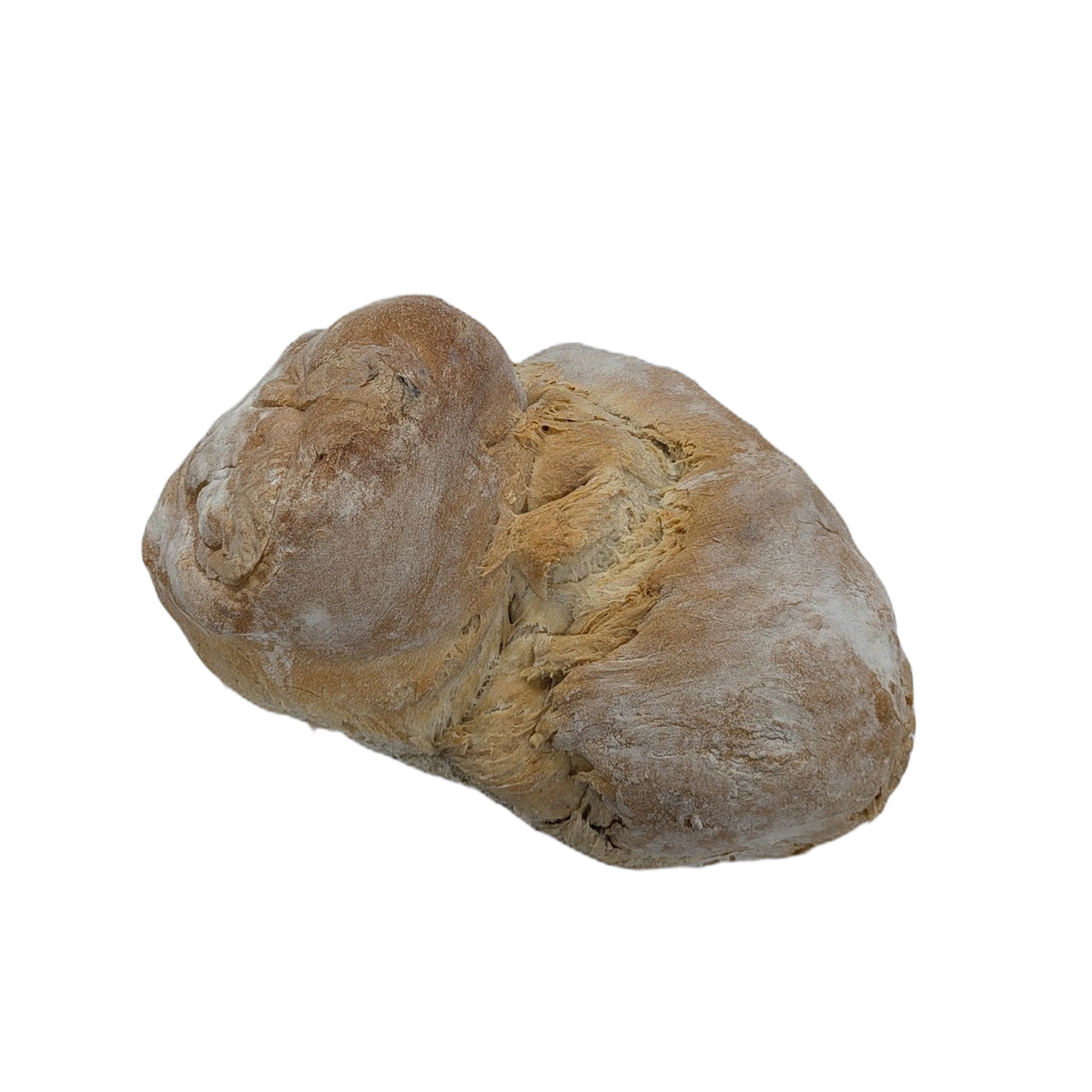
- 4 slices of Traditional Alentejo Wood-Fired Bread, to serve
Note: Use only cilarcas from a specialist supplier, correctly identified by experts. Do not eat wild mushrooms if their identification is uncertain.
Preparation
-
Prepare the cilarcas and eggs.
Brush off the soil with a soft brush or damp cloth. If necessary, rinse the mushrooms briefly under water and dry them well. Cut them into pieces about 2 to 3 cm in size and season with a little salt. Beat the eggs in a bowl just until the yolks and whites are combined. -
Fry the mushrooms.
Heat half the olive oil in a wide frying pan, about 28 cm across, over medium-high heat. Add half the cilarcas, spread them out and cook for about 7 to 10 minutes, stirring occasionally, until tender, lightly golden and with no liquid pooled at the bottom. Transfer to a plate and repeat with the remaining olive oil and cilarcas. Return everything to the pan. -
Add the garlic and fold in the eggs.
If using garlic, add it to the mushrooms and stir for about 30 seconds, without letting it brown. Reduce the heat to low, pour in the beaten eggs and fold them in with a spatula, bringing the mixture from the edges towards the centre. Cook for about 2 to 4 minutes, until the eggs are set, with no liquid parts, but still soft. To check doneness with a thermometer, the centre should reach 75 °C for 30 seconds. -
Serve immediately.
Adjust the salt and transfer straight to a serving dish to stop the cooking in the hot pan. Serve with slices of Alentejo bread, plain or lightly toasted.
Tips for getting it just right
Fry the cilarcas in two batches to give them space and let the water they release evaporate. Only add the eggs once there is no liquid left in the pan: this way, they coat the mushrooms instead of being diluted at the bottom of the pan.
Get the platter and bread ready before you start scrambling the eggs. Once cooked, the eggs will continue to dry out if left waiting in the pan.
Wine pairing
Serve with Tã Sómente Arinto Reserva 2023, at around 10 °C. The lively acidity and structure of this white wine balance the richness of the eggs and olive oil, while letting the flavour of the cilarcas shine.
Preparing ahead and storing
To keep the eggs soft, finish the dish just before serving. If you have any cilarcas with eggs left over, divide them among small containers, cool quickly and refrigerate within 2 hours at the latest. Eat within 48 hours or freeze. Reheat only once, until piping hot throughout; the eggs will become firmer.
Frequently asked questions
The cilarcas released a lot of water. When should I add the eggs?
Wait for the liquid to evaporate and the mushrooms to become tender before adding the eggs. If the pan is too full, remove some of the mixture and finish cooking in two batches.
How do I keep the eggs from drying out?
Lower the heat before adding them, fold them in with broad strokes, and remove the mixture from the pan as soon as the eggs are cooked. Residual heat will continue to set them, especially in a heavy-bottomed pan.
Another recipe for the table
Also try Asparagus Migas with Poached Eggs, another way to bring the flavours of the countryside together with Alentejo bread.
Source and adaptations
Recipe “Fried Cilarcas with Scrambled Eggs”, from Luz, Mourão, in the Alentejo Gastronomic Guide (2013), p. 533. Collected from Judite Rosa Pinto by Joaquim Pulga in 2012. The source associates this preparation with cilarca season, after the rains, and mentions that they are gathered by knowledgeable foragers.
Recipe collected in Alentejo and adapted by Herdade do Estacal for the blog “À Mesa com o Alentejo”. The quantities for four starters, pan size, cooking times and frying in two batches are practical adaptations; yield and duration are estimates. The garlic remains optional, and the eggs are added after frying the mushrooms. Bread is suggested as an accompaniment.

Digitally generated illustrative image. Not intended to identify wild mushrooms.