Bifinhos in Beja Pepper Sauce
Golden pan-fried beef steaks, thyme and a pepper sauce that coats the meat without masking its flavour. The cream gives the sauce body, while the white wine makes use of the browned bits in the pan. The Alentejo Gastronomic Guide records this recipe in Beja, collected from Teresa Batista in 2012.
Estimated servings: 4 people.
Estimated total time: 30 to 35 minutes.
Ingredients
- 4 beef tenderloin steaks, about 150 g each and 2.5 cm thick
- 1 teaspoon coarsely ground mixed peppercorns, plus a little more to adjust
- Leaves from 3 sprigs of fresh thyme
- Salt, to taste
- 20 ml sunflower oil
- 20 g butter
- 30 ml cognac
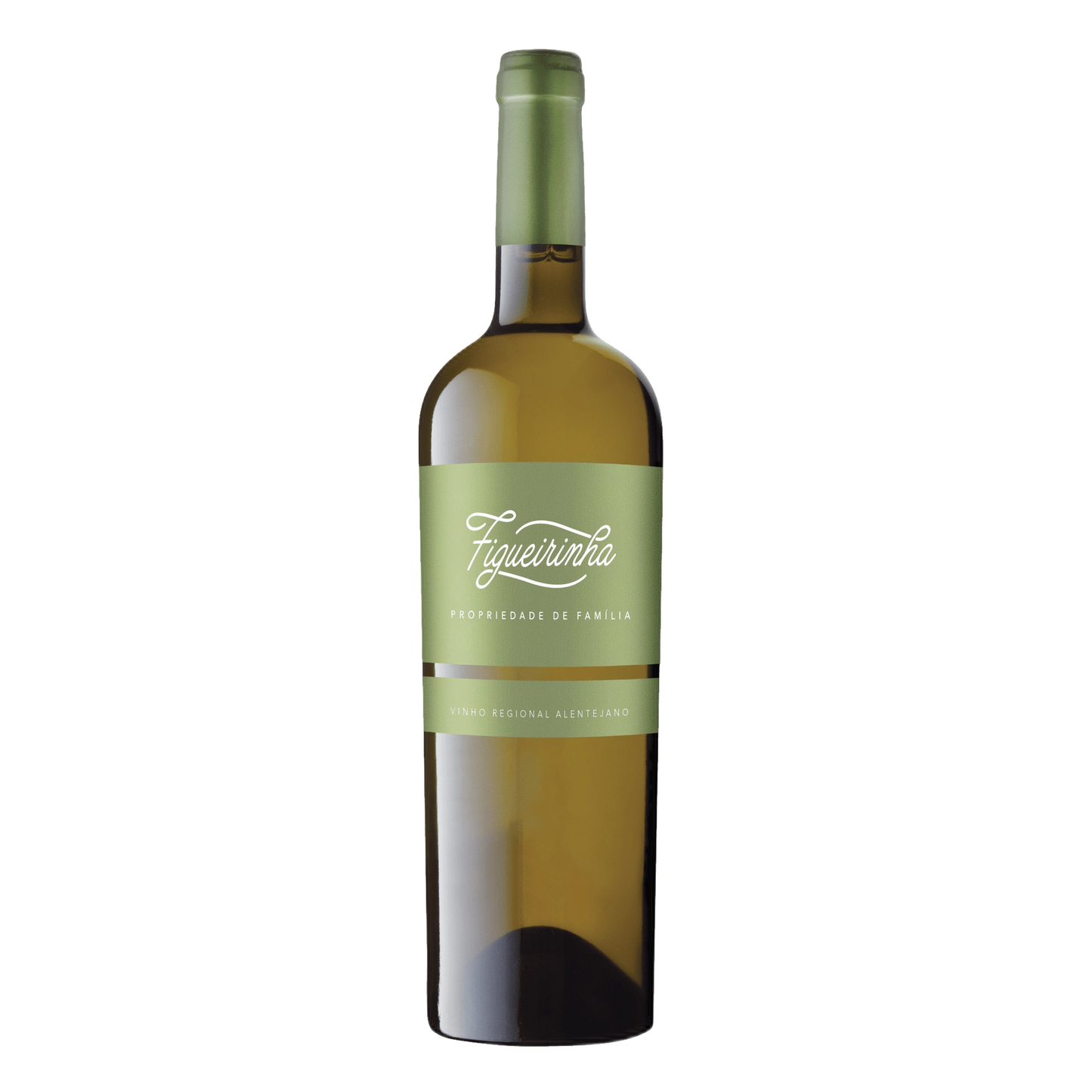
- 100 ml Figueirinha 2024 white wine
- 100 ml prepared beef stock, preferably low-salt
- 200 ml cooking cream
Method
-
Season and prepare the sauce.
Pat the steaks dry with kitchen paper. Season both sides with the salt, peppercorn blend and thyme leaves. Mix the white wine and beef stock in a bowl, and measure the cognac separately. -
Brown the steaks.
Heat the oil in a large frying pan, about 28 cm wide, over medium-high heat. Add the butter and, once it has melted and starts to foam, add the steaks without overlapping them. Fry for about 3 minutes on each side, browning the edges too; adjust the cooking time to the thickness and desired doneness. If there isn’t enough room, fry them in two batches. Transfer the meat to a plate while you prepare the sauce. -
Use the browned bits in the pan.
Lower the heat and remove the excess fat, leaving a thin layer and the golden bits in the pan, but make sure they are not burnt. Take the pan off the heat, pour in the measured cognac and return it to a low heat without setting it alight. Let it simmer for about 1 minute. Add the wine and stock, scrape the bottom of the pan with a wooden spoon and reduce for 3 to 5 minutes, until the liquid has reduced by about half. -
Finish with the cream and serve.
Add the cream and stir over a low heat for about 3 to 5 minutes, until the sauce coats the back of a spoon. Taste and adjust the salt and pepper. Return the steaks and their juices to the pan, turning them in the sauce only long enough to heat the meat through, about 1 minute. Divide among warmed bowls or deep dishes, spoon over the sauce and serve immediately.
Tips for a creamy sauce
The golden bits left in the pan after frying add flavour to the sauce; if they turn black and bitter, don’t use them. Reduce the wine and stock before adding the cream to concentrate the flavour without having to boil the sauce for too long.
If the sauce becomes too thick, add one tablespoon of hot water at a time and stir. If it is too thin, let it reduce a little longer without the steaks, so as not to prolong the meat’s cooking time.
Wine pairing
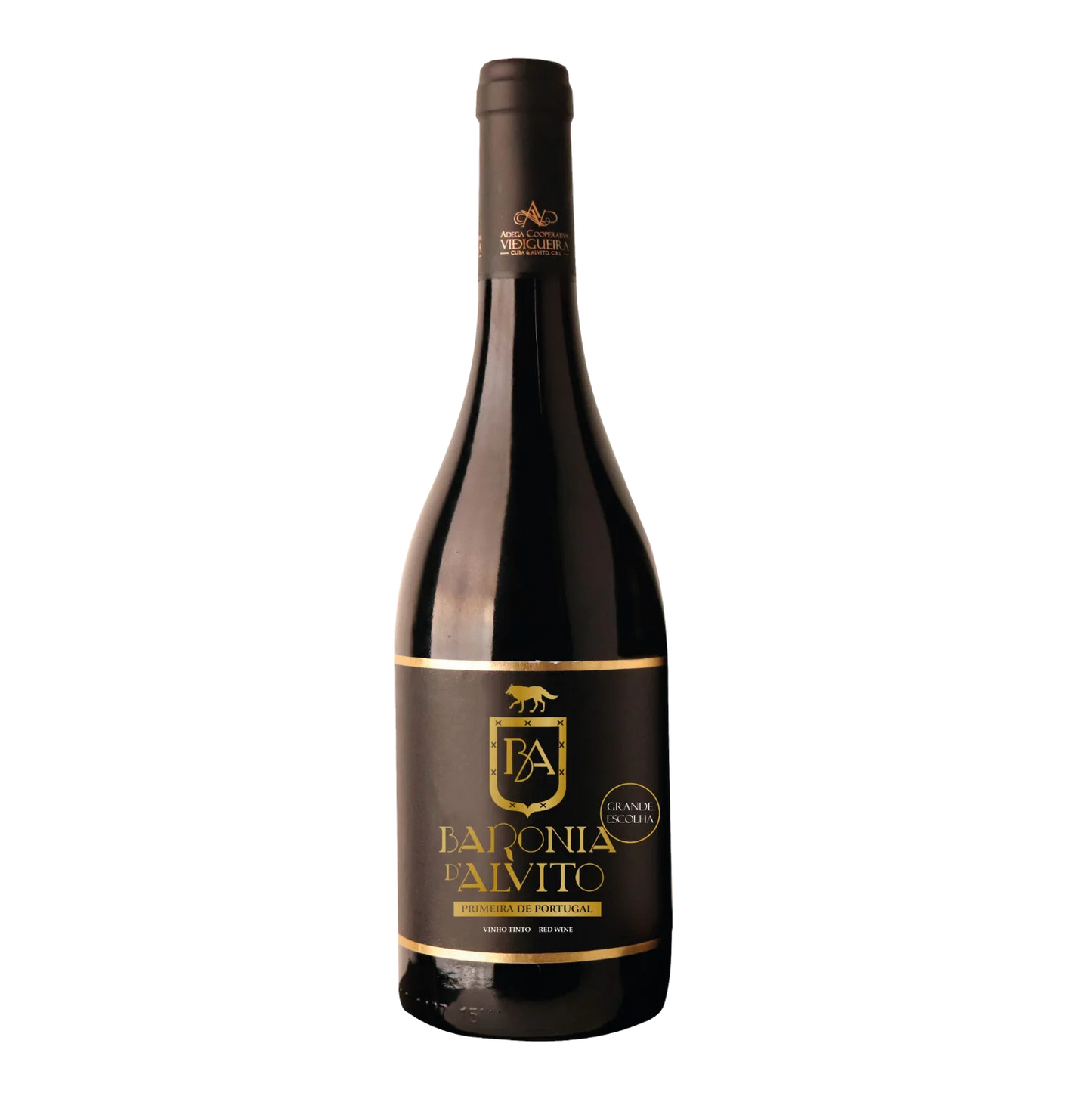
Serve the Baronia de Alvito Grande Escolha Tinto DOC at the table. Its body and slightly spicy finish pair well with the veal and pepper, while its fruit complements the richness of the sauce. The Figueirinha white is reserved for preparing the sauce.
Preparing ahead and storing
Measure out the wine, stock and seasonings before you start, but cook the steaks close to serving time. If there are leftovers, divide them into small containers, cool quickly and refrigerate within 2 hours. Consume within 48 hours. Reheat only the portion you need, once, until piping hot throughout; the meat will be more well done.
Frequently asked questions
Why was the sauce too salty?
Reducing the sauce concentrates the salt in the stock and the seasoning left in the pan. Use low-salt stock, season the meat lightly and adjust the sauce only after adding the cream. If using concentrated stock, prepare the 100 ml according to the dilution instructions on the packaging.
Can I leave the steaks in the sauce while it thickens?
It’s best to remove them and return them to the pan only at the end. This lets you reduce the sauce without continuing to cook the meat for several minutes.
Do I need to flambé the cognac?
Not in this adaptation. The cognac is added with the pan off the heat and then reduced over a low heat without being set alight. This step does not guarantee that all the alcohol is removed.
Another recipe for the table
For another pan-fried meat dish, try Montargil Breaded Lamb Chops, seasoned with garlic and lemon and coated in a thin crust of breadcrumbs.
Source and adaptations
“Bifinhos em Molho de Pimenta” recipe, Beja, in the Alentejo Gastronomic Guide (2013), p. 717. Interview with Teresa Batista by Ana Rita of ADPM, in 2012. The collected recipe specifies veal tenderloin steaks fried in oil and butter, with thyme, white wine, beef stock and cream, served in bowls.
Recipe collected in the Alentejo, adapted by Herdade do Estacal for the blog “À Mesa com o Alentejo”. The quantities for four people, steak thickness, timings and sauce reduction are adapted guidelines; yield and duration are estimates. Cognac appears in the source preparation method, but not in the ingredients list. In this version, an amount is specified and it is reduced without flambéing, unlike the original recipe. The steaks are removed from the frying pan while the sauce reduces.

Digitally generated illustrative image.