Beja Seafood Bread Soup
The prawn and clam stock soaks into the bread, which breaks down over the heat until creamy. Garlic, olive oil and coriander complete this seafood açorda, served at the table inside an Alentejo loaf with a firm crust.
The recipe was collected in Beja from Rosalina Gervásio and is included in the Alentejo Gastronomic Guide, where it is associated with winter. Serving it in the bread is part of the collected recipe and makes it possible to serve the açorda by the spoonful, then portion it into bowls.
Estimated yield: 4 people
Preparation: about 30 minutes
Cooking: about 30–40 minutes
Estimated total time: 1 hour to 1 hour and 10 minutes
Ingredients
- 500 g whole raw prawns, with heads and shells
- 500 g live, purged clams
- 100 ml of Galega Single-Varietal Extra Virgin Olive Oil
- 600 g day-old Alentejo bread crumb, broken into pieces
- 3 crushed garlic cloves
- 4 whole eggs
- 1 small bunch chopped coriander
- 1.2 l water, plus a little hot water if needed
- Salt and piri-piri to taste
- 1 large round Alentejo loaf, about 2 kg, for serving; use the removed crumb to make up the 600 g for the açorda
Preparation
-
Prepare the bread and clams.
Cut a lid off the bread and remove the crumb, leaving a crust about 2 cm thick to hold the açorda. Weigh out 600 g of the removed crumb, topping it up with another day-old loaf if necessary. Place the hollowed-out loaf on a wide serving platter. Rinse the clams under cold water and discard any with broken or open shells before cooking. -
Cook the prawns and make use of the stock.
Set aside 50 ml of the clam water and heat the rest with a little salt. When it boils, add the prawns and cook for about 2–4 minutes, depending on their size, until the flesh is opaque and firm. Remove them, reserving the water. Once cool enough to handle, peel them and remove the dark vein along the back. Return the heads and shells to the water, simmer gently for 5 minutes and briefly blend with a hand blender. Strain through a very fine-mesh sieve and set aside the stock, ensuring no shell fragments remain. -
Open the clams and soak the flesh.
Put the clams in a pan with the reserved 50 ml of water, cover and cook over medium-high heat for about 3–5 minutes, shaking the pan, until they open. Discard any that remain closed. Remove the meat from most of them, setting a few aside in their shells for serving. Strain the liquid through a sieve lined with a clean, fine cloth to catch any sand. Mix it with the prawn stock and add 20 ml of olive oil. Pour about 800 ml of this hot stock over the bread and leave to soak for 5–10 minutes. Set the remaining stock aside. -
Cook the açorda.
Heat the remaining 80 ml of olive oil in a wide pan. Add the garlic and let it release its aroma for about 1 minute without browning. Add the soaked bread and cook over medium-low heat for 5–8 minutes, stirring with a wooden spoon to break it up. Gradually add the reserved stock, one ladleful at a time, until you have a moist, creamy açorda that yields to the spoon without becoming runny. -
Stir in the eggs and seafood.
Beat the eggs in a bowl and stir in a small ladleful of hot açorda. Pour the mixture into the pan in a thin stream, stirring continuously. Keep cooking until the eggs are cooked and the açorda is hot throughout. Stir in about half the prawns and clam meat, then arrange the remaining seafood on top. Heat gently; aim for 75 °C in the centre of the dish for 30 seconds. If it gets too thick, add a little of the reserved stock or hot water. Taste and adjust the salt and piri-piri. -
Serve in the bread.
Transfer the açorda into the hollowed-out loaf just before serving. Arrange the seafood on top so it remains visible, then finish with the chopped coriander. Serve immediately in bowls, spooning out portions with a wide spoon.
Tips for getting the texture right
Day-old bread absorbs the stock without immediately turning into a uniform paste. Let it soak, then break it up with a spoon, keeping some texture; do not blend the açorda.
Always reserve some of the stock until the end. The amount absorbed varies depending on the bread, and the açorda continues to thicken as it sits. Adjust the salt only after adding the clam juices and seafood.
Wine pairing
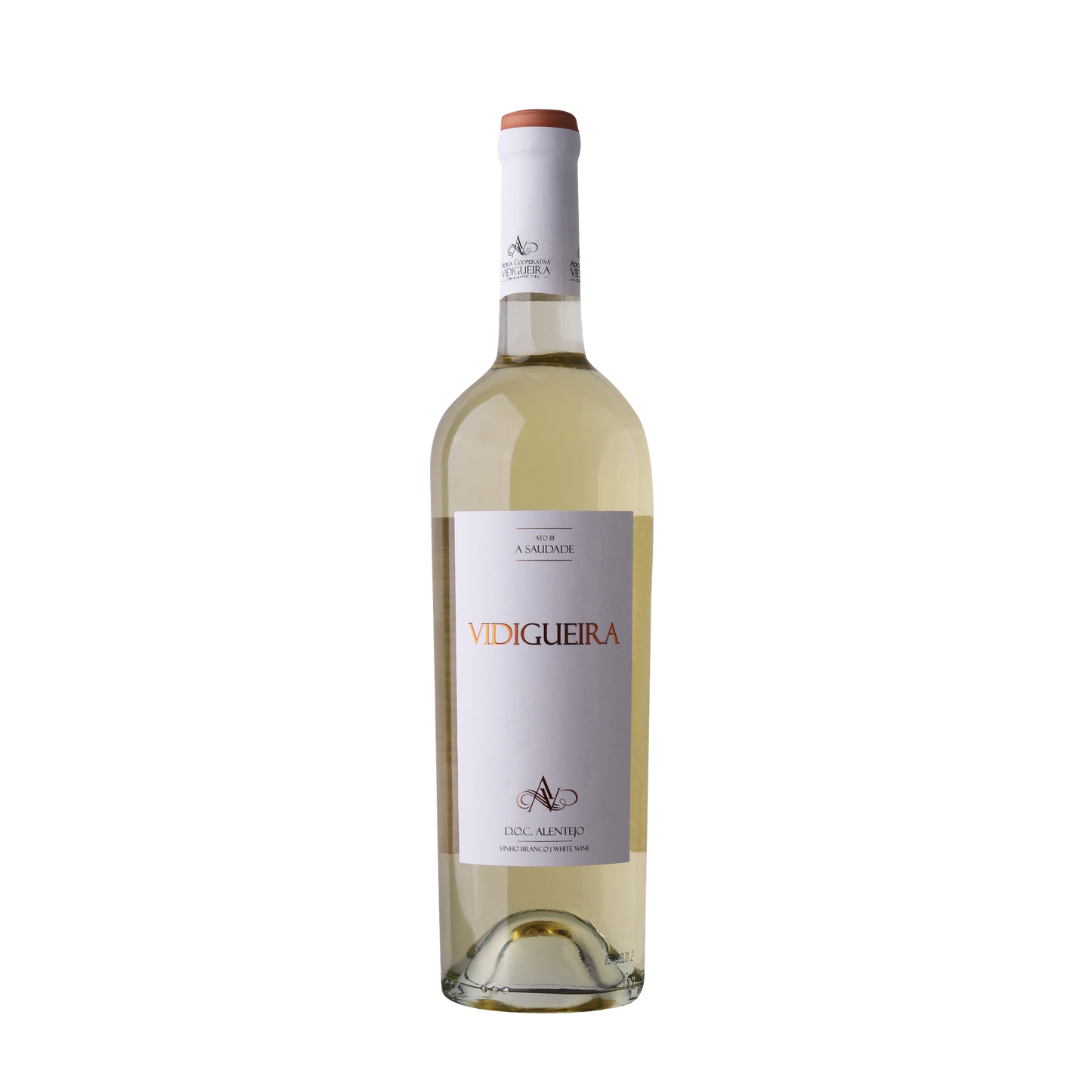
Serve with Vidigueira Saudade Branco DOC at 10–12 °C. Its fresh, balanced profile complements the seafood, while the wine’s body supports the creamy texture of the bread and eggs.
Preparing ahead and storing the dish
You can remove the crumb and prepare the bread in advance, keeping the crust and crumb covered to prevent them from drying out. Cook the açorda close to mealtime and fill the bread just before serving.
If you have any açorda left over, remove it from the bread and divide it among shallow containers. Cool and refrigerate within 2 hours; consume within 48 hours. When reheating, add a little water and stir until the entire dish is piping hot.
Frequently asked questions
How can I stop the serving loaf from getting soggy?
Leave a thick, intact wall when removing the crumb and only fill the bread just before serving. Place the loaf on a wide platter. Don’t fill it in advance, as the crust will eventually absorb the moisture.
The açorda is too runny. What should I do?
Before adding the eggs and seafood, leave the bread on the heat for a few more minutes, stirring to evaporate the excess broth. Add the reserved liquid a little at a time instead of pouring it all in at once.
Do I have to serve the açorda inside the bread?
No. The collection presents this option, but also mentions serving it in bowls. You can serve the açorda on a platter and dish it out directly, using the same 600 g of bread crumb in the recipe.
Another Alentejo açorda
Also discover the Santana Tomato Açorda, with fish, goat’s cheese and a broth served over slices of bread.
Source and adaptations
Carta Gastronómica do Alentejo (2013), p. 716, “Seafood Açorda in Bread”, Beja. Interview with Rosalina Gervásio, conducted by Ana Rita, ADPM, in 2012.
Recipe collected in the Alentejo, adapted by Herdade do Estacal for the blog “À Mesa com o Alentejo”. We kept the quantities of prawns, clams, olive oil, bread crumb, garlic and the option of four whole eggs. We used coriander and left out the optional lobster. The water, timings, bread thickness and yield are estimates; we extended the egg cooking time compared with the few seconds indicated in the source.
Illustrative image generated by artificial intelligence.