Share
Santana Tomato Bread Soup
Santana tomato açorda combines Alentejo bread, sautéed tomato and a broth with potatoes, fish, goat’s cheese and poached eggs. Pennyroyal and water mint perfume the dish, which is poured over the bread slices only when serving.
A recipe from Santana, in Portel
Carta Gastronómica do Alentejo records this açorda in Santana, in the municipality of Portel, through Mariana Luísa Rosinha Raposo Nogueira. The source associates it with the harvest season and describes a sauté of onion, garlic, tomato, pepper and herbs, to which water, fish, cheese and potatoes are added. The eggs are poached directly in the broth.
Estimated yield: 4 people
Approximate time: 45 to 55 minutes
Ingredients
- 4 hake steaks, about 700 to 800 g, ready to cook
- 500 g ripe tomatoes, peeled and chopped
- 2 medium onions, about 300 g
- 2 garlic cloves
- 100 g green pepper, deseeded
- 2 medium potatoes, about 350 g
- 1 semi-aged goat’s cheese, about 200 g
- 4 eggs
- 300 g day-old Alentejo bread, thinly sliced
- 60 ml extra virgin olive oil
- 1 bay leaf
- 1 small sprig of pennyroyal and 1 of water mint, washed
- 1.2 l water, plus a little hot water if necessary
- Salt to taste
Step-by-step preparation
-
Prepare the ingredients.
Chop the onions and garlic and cut the pepper into small pieces. Peel the potatoes and cut them into slices about 0.5 cm thick. Cut the cheese in half, removing any inedible skin or coating. Keep the hake refrigerated until it is time to add it to the broth. -
Make the sauté.
Heat the olive oil in a wide saucepan. Add the onion, garlic, pepper, tomato, bay leaf, pennyroyal and water mint. Sauté over medium heat for about 10 to 12 minutes, stirring, until the onion softens and the tomato begins to break down. Reduce the heat if the ingredients start to stick. -
Add the water and potatoes.
Add the 1.2 l of water and a little salt, bearing in mind that the cheese will season the broth. When it comes to a boil, add the potato slices and simmer gently for about 8 to 10 minutes. They should begin to soften but not yet be fully cooked. -
Cook the hake and cheese.
Place the hake steaks and the two cheese halves in the broth. Cook over low heat for about 8 to 12 minutes, depending on the thickness of the fish, without stirring vigorously. The hake should be opaque in the centre and flake easily; the potatoes should yield to a fork. If the fish is ready before the potatoes, remove it with a slotted spoon and keep it covered. If more broth is needed, add a little hot water. Taste and adjust the salt. -
Poach the eggs.
Remove the fish and cheese to a serving dish, if they are still in the saucepan, leaving room in the broth. Crack each egg into a small bowl and slide it into the gently simmering broth. Poach for about 4 to 6 minutes, until the white is firm, cooking for longer if you prefer the yolk completely set. Do not let it boil vigorously, so the eggs do not break apart. -
Soak the bread and serve.
Divide the thin bread slices among four deep plates or a serving bowl. Remove the bay leaf and the herbs’ thick stems. Pour the hot broth with the potatoes and tomato over the top, without crushing the bread as you would for migas. Serve with the hake, the cheese divided into four portions and one egg per person. If you remove the fish bones before serving, do so carefully and without breaking the fish up too much.
The secret lies in the bread and the broth
Use day-old bread and add it only when serving. The slices should absorb the broth while retaining some texture. The cheese seasons the dish, so it is best to adjust the salt near the end and maintain a gentle simmer so the fish does not fall apart.
Wine and olive oil at the table
To accompany it, we recommend Vidigueira Escolha dos Sócios Antão Vaz DOC, served chilled.
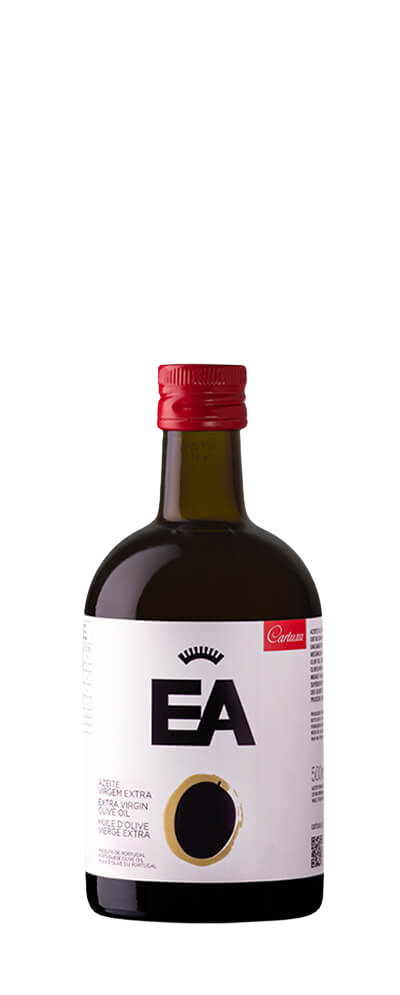
Prepare the sauté with Azeite EA Virgem Extra, 500 ml. Use 60 ml to coat the onion, tomato, pepper and herbs.
Advance preparation and storage
You can prepare the sauté the day before, cooling it promptly and storing it covered in the refrigerator. At mealtime, heat it, add the water and continue with the preparation. Cook the fish and eggs close to serving time and keep the bread separate until the end. Refrigerate any leftover broth and fish once cooled; reheat only the amount needed thoroughly and use fresh bread separately.
More flavours of the Alentejo
Also try our Garlic Açorda with Poached Egg, prepared with a base of crushed garlic and coriander.
Source and adaptations
Carta Gastronómica do Alentejo (2013), p. 556, “Açorda de Tomate”, Santana, Portel. Interview with Mariana Luísa Rosinha Raposo Nogueira by Maria Gertrudes Batista Lima, Terras Dentro, in 2012.
Recipe collected in the Alentejo and adapted by Herdade do Estacal for the “À Mesa com o Alentejo” blog. We used hake instead of cod, following the source’s suggestion that another fish may be used. We retained the semi-aged goat’s cheese, potatoes, tomato and herb sauté, poached eggs and broth served over the bread. We adjusted the quantities that were not specified, as well as the cooking times, and staggered the addition of the potatoes and fish to control the cooking. Yield and timings are estimates.