Share
Portel Chickpea Stew with Sausages
The Portel chickpea stew combines meats, sausages, and vegetables in a winter dish to share. The chickpeas are cooked separately, the meat broth receives the vegetables, and, finally, it is served with slices of Alentejo bread.
A recipe collected in Portel
Carta Gastronómica do Alentejo recorded this recipe during an interview with Maria de Lurdes Souto Gusmão Branquinho in Portel. The preparation follows an important order: salt the pig’s trotter and soak the chickpeas the day before; cook the farinheira separately; use the strained meat broth for the vegetables; and add the oregano only after turning off the heat. This is how the flavors reach the bread on the plate.
Serves: about 4 people, with possible leftovers
Advance preparation: one night for the chickpeas and pig’s trotter
Cooking time: about 2 hours and 30 minutes to 3 hours, depending on the meats and chickpeas
Ingredients for 4 people
- 1 cleaned pig’s trotter, about 600 to 800 g
- 500 g lamb, cut into pieces
- 500 g chicken, cut into pieces
- 1 medium linguiça, such as Linguiça Alentejana – Porco Branco – 250 g
- 1 meat chouriço
- 1 farinheira
- 300 g dried chickpeas
- 4 medium potatoes
- 4 medium carrots
- 500 g green beans
- 300 g mogango squash or another type of squash
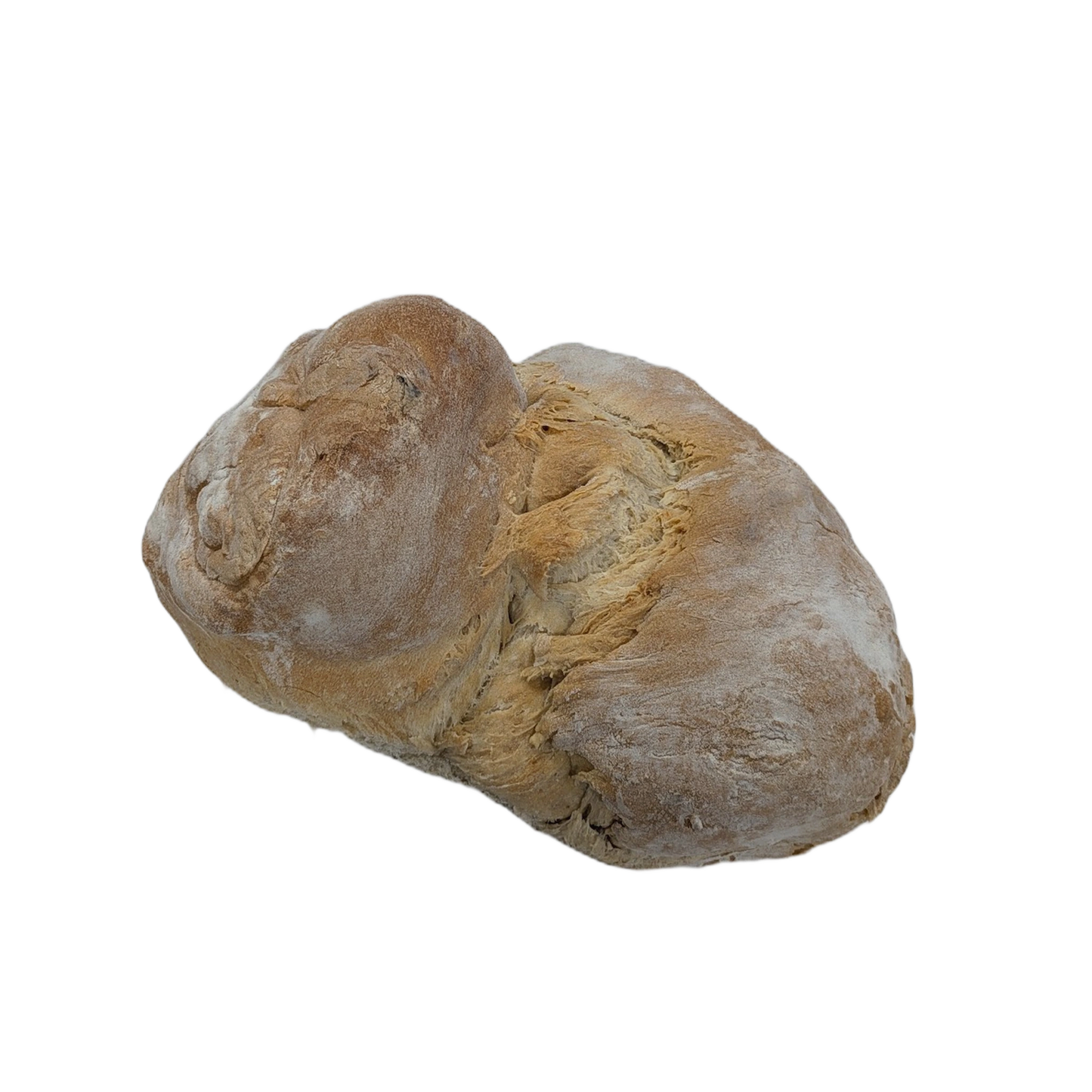
- 4 to 6 slices of stale Alentejo bread, such as Pão Tradicional Alentejano de Forno de Lenha
- 1 small sprig of oregano
- Salt, as needed
- Enough water to cover the meats, about 2.5 l, plus separate water for the chickpeas and farinheira
Preparation
- Prepare the day before. Cover the dried chickpeas with plenty of cold water and leave them to soak overnight. Season the pig’s trotter with salt, cover, and refrigerate. The next day, drain the chickpeas and rinse the pig’s trotter to remove excess salt.
- Cook the chickpeas. Place them in a pot with plenty of fresh water and bring to a boil. Lower the heat and cook for about 60 to 90 minutes, or until tender. Drain and set aside.
- Cook the meats and sausages. In another large pot, cover the pig’s trotter, lamb, chicken, linguiça, and chouriço with about 2.5 l of water. Bring to a gentle boil, skimming off any foam that rises to the surface. Cook over low heat, removing each ingredient when it is thoroughly cooked: the chicken usually takes about 35 to 45 minutes; the sausages, 20 to 30 minutes; the lamb, about 60 to 90 minutes; and the pig’s trotter may need 90 to 120 minutes. These times are guidelines and do not replace checking for doneness.
- Cook the farinheira separately. In a small pot of hot water, maintain a very gentle boil for about 15 to 20 minutes, until the farinheira is cooked. Remove carefully so it does not burst and set aside with the remaining meats.
- Finish the vegetables in the broth. Strain the meat broth into a clean pot. Peel the potatoes, carrots, and mogango squash and cut them into large pieces; trim the green beans. Add the potatoes and carrots to the broth first and cook for about 10 minutes. Add the green beans and squash and cook for another 10 to 15 minutes, until the vegetables are tender. Add the cooked chickpeas and heat for another 5 minutes. Taste before adding salt.
- Serve with bread slices. Turn off the heat and add the sprig of oregano to the broth. Cut the meats and sausages into portions and arrange them with the vegetables and chickpeas on a serving platter. Place slices of stale Alentejo bread in deep plates and pour the hot broth over them.
Tips for the stew
Use a large pot and add hot water as needed if the meats are no longer covered. Removing each meat as soon as it is cooked prevents the chicken from falling apart while the pig’s trotter finishes tenderizing. The farinheira is cooked separately, as in the collected recipe, to prevent it from breaking apart in the main pot.
Bread, sausages, and wine at the table
Alentejo bread absorbs the stew’s broth, while the linguiça, chouriço, and farinheira add flavor to the platter. Serve Monte de Pinheiros Tinto 2023 – Vinho Regional Alentejano with the meats, sausages, and bread slices.
Advance preparation and storage
Soak the chickpeas and salt the pig’s trotter the day before, always keeping the pig’s trotter refrigerated. Store cooked leftovers covered in the refrigerator as soon as they have cooled, and reheat the broth, meats, and vegetables thoroughly before serving again.
Frequently asked questions
Why is the farinheira cooked separately?
This is the method described in the original account and helps prevent it from breaking apart among the other meats and sausages.
When is the oregano added?
At the end, after turning off the heat, so it perfumes the broth without cooking throughout the entire time in the pot.
Bring Alentejo to the table
Include Linguiça Alentejana de Porco Branco in the stew, serve the broth over Pão Tradicional Alentejano de Forno de Lenha, and pair it with Monte de Pinheiros Tinto 2023. If you prefer a fish recipe with bread, try our Baleizão-style dogfish soup.
Source
Confraria Gastronómica do Alentejo, Carta Gastronómica do Alentejo (2013), p. 552. Chickpea stew recipe collected in Portel during an interview with Maria de Lurdes Souto Gusmão Branquinho.
Recipe collected in Central Alentejo, adapted by Herdade do Estacal for the “À Mesa com o Alentejo” blog. The source lists one whole chicken and half a leg of lamb for four people; in this version, we reduced the quantities of those meats while keeping the ingredients and cooking sequence. The cooking times are practical guidelines that have been added.
Illustrative image generated for this article.