Évora Coentrada Mogango
The mogango is baked in thick slices, nestled between layers of onion, garlic, and cilantro. Olive oil coats the vegetables, and vinegar brightens the sauce, which is lightly thickened with flour. This savory way of serving pumpkin brings an autumn flavor to the table, alongside fried fish or shared with other dishes.
A recipe collected in Évora
This recipe appears in the Alentejo Gastronomic Guide, based on information collected in 2012 from Francisco Sabino by Galopim de Carvalho, a retired professor emeritus. It is specifically recommended as an accompaniment to fried fish, pataniscas, or cod cakes.
Estimated yield: serves 4 as a side dish.
Estimated total time: about 1 hour, including preparation and baking.
Ingredients
- 1 kg mogango, peeled, seeded, and cut into slices about 2 cm thick
- 3 onions
- 4 garlic cloves
- 1 bunch of cilantro
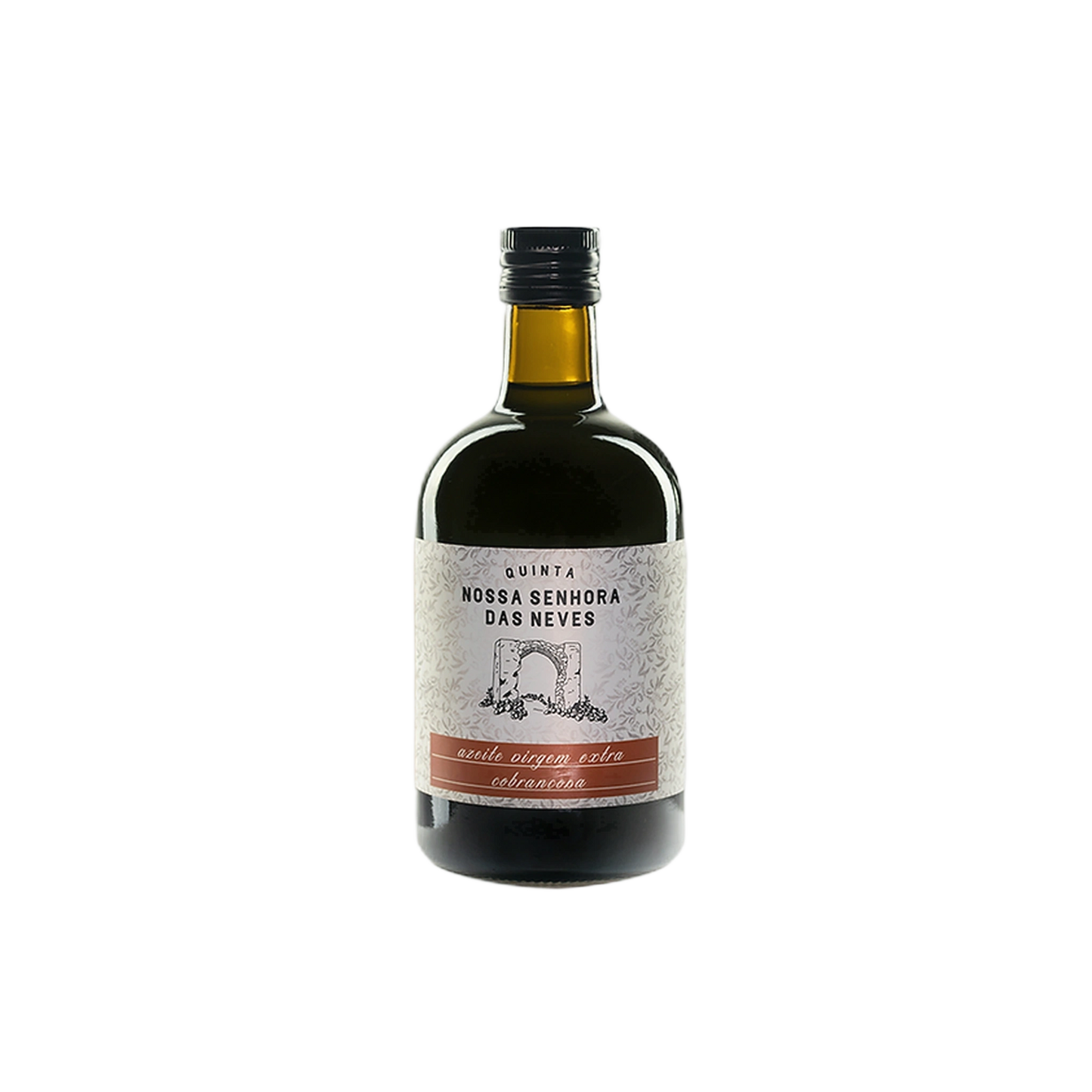
- 100 ml Cobrançosa Single-Varietal Extra Virgin Olive Oil
- 2 level tablespoons all-purpose flour
- 200 ml water for the sauce, plus enough for the initial parboiling
- 1 tablespoon wine vinegar, about 15 ml
- Salt and black pepper, to taste
Step-by-step preparation
-
Parboil the mogango.
Preheat the oven to 180 °C. Put the mogango slices in a pot of boiling water and cook for about 3–5 minutes: the edges should begin to soften while the center remains firm. Remove with a slotted spoon and drain well without breaking them up. -
Prepare the onion mixture.
Cut the onions into thin half-moons and chop the garlic and cilantro. Set aside some of the cilantro leaves for the sauce and to finish the dish. Heat the olive oil in a large skillet, add the onion, and cook over medium-low heat for about 12–15 minutes, stirring, until softened. Add the garlic and some of the cilantro, season with salt, and cook for another 2 minutes without letting the garlic burn. -
Mix the sauce and assemble the dish.
In a bowl, whisk the flour with a little of the 200 ml of cold water. Gradually add the remaining water, stirring until smooth. Add the vinegar and some of the reserved cilantro. Spread half the onion mixture over the bottom of a baking dish measuring about 30 × 22 cm. Arrange the mogango slices on top, slightly overlapping, pour over the sauce, and season with pepper. Cover with the remaining onion mixture. -
Bake.
Place the baking dish on the middle rack of the oven for about 25–35 minutes. The mogango should be tender when pierced with a fork, and the sauce should be bubbling and slightly thickened. If the onion browns before the mogango is tender, cover the dish with a sheet of aluminum foil and finish cooking. -
Finish and serve.
Remove from the oven and sprinkle with the fresh coriander you set aside. Serve hot, with the onions and the sauce from the bottom of the baking dish.
Tips for getting the texture right
Cut the slices to a similar thickness and keep the initial boil brief: the winter squash finishes cooking in the oven. Drain it well before assembling the dish so the sauce isn’t diluted.
Mix the flour with cold water before adding it to the baking dish. The onions should be soft, not dry; they help coat and protect the slices as they bake.
Wine pairing
For this combination of winter squash, onions and vinegar, we recommend Vidigueira Rosé DOC Wine. Its fruity, fresh profile makes it a good choice with this dish, especially when served with fried fish. Serve at 10 to 12 °C.
Advance preparation and storage
To organise the meal, chop the vegetables and set aside the coriander before you start. The winter squash can boil while the onions soften.
If you have any leftovers, divide them between shallow containers and refrigerate within two hours of cooking. Cover once cooled. To serve again, reheat only the portion you need until piping hot in the centre.
Frequently asked questions
Should the winter squash be cooked before it goes in the oven?
No. The initial boil is brief, just to start softening the slices. They should remain firm enough to be removed from the pan and arranged in the baking dish without breaking.
How do you stop the sauce from becoming watery?
Drain the winter squash well and use a baking dish that holds the slices in just a few layers. If they are tender but there is still a lot of liquid, finish cooking with the dish uncovered, keeping an eye on the onions so they don’t burn.
What dishes does it go with?
The original collection mentions fried fish, fritters and cod pastries. It can also be served as a side dish as part of a sharing platter.
Another recipe for the table
To accompany the winter squash, try the Sines Mackerel Croquettes with Potato and Parsley.
Source and adaptations
Alentejo Gastronomic Guide (2013), p. 485, “Winter Squash with Coriander”, Évora. Interview with Galopim de Carvalho by Francisco Sabino, archive of the Alentejo Gastronomic Brotherhood, 2012.
Recipe collected in the Alentejo, adapted by Herdade do Estacal for the blog “At the Table with the Alentejo”. The ingredients and sequence from the original collection are retained. Use 2 of the 2–3 tablespoons of flour specified. The water, amount of vinegar, thickness of the slices, baking dish, temperature and timings are recommendations for this adaptation; yield and duration are estimates.

Illustrative photo