Share
Évora's Pão de Rala
Pão de Rala de Évora is one of the Alentejo’s noblest and most emblematic convent sweets. Originating at the Convent of Santa Clara in Évora, this dense, golden cake is made with ground almonds, egg yolks and sugar - simple ingredients that, together, create a dessert with deep flavour and a unique texture.
Unlike Toucinho do Céu, Pão de Rala has a drier, grainier texture, almost like a dense biscuit, and an intensely almond flavour. It is a sweet best eaten in small portions and pairs perfectly with coffee or a fortified wine.
Serves: 8 to 10 people
Preparation: 20 minutes
Cooking: 35 minutes
Total time: about 55 minutes
Ingredients for Pão de Rala de Évora
- 250 g blanched, ground almonds
- 250 g sugar
- 6 egg yolks
- 1 whole egg
- 100 ml water
- Zest of 1 lemon
- Icing sugar as needed (for dusting)
- Butter as needed (for greasing)
- Flour as needed (for dusting the tin)
How to make Pão de Rala de Évora
- Prepare the syrup. Put the sugar and water in a saucepan over the heat and bring to the boil until it reaches thread stage (105 °C). Remove from the heat and leave to cool slightly.
- Add the almonds. Add the ground almonds and lemon zest to the syrup and mix well. Return to a low heat, stirring constantly, until the mixture pulls away from the sides of the saucepan (about 5 minutes). Remove and leave to cool.
- Add the eggs. Beat the egg yolks with the whole egg and add them to the warm almond mixture, stirring quickly until fully incorporated.
- Bake. Grease a 20 cm round tin with butter and dust with flour. Pour in the mixture and bake in a preheated oven at 180 °C for 30 to 35 minutes, until the surface is golden.
- Turn out and serve. Leave to cool completely before turning out. Dust generously with icing sugar before serving.
The secret to perfect Pão de Rala
The almonds should be finely ground for a more even texture. Cooking the mixture after adding the almonds is essential - it dries the mixture slightly and intensifies the flavour. Do not skip this step. The cake should be dry and grainy inside - this is its traditional characteristic.
Wine to pair with Pão de Rala
We suggest Vinho Vidigueira Licoroso Branco DOC, served chilled at between 10 and 12 °C. Its notes of dried fruit, honey and vanilla complement the richness of the almonds, creating a classic and memorable pairing.
Serving suggestion
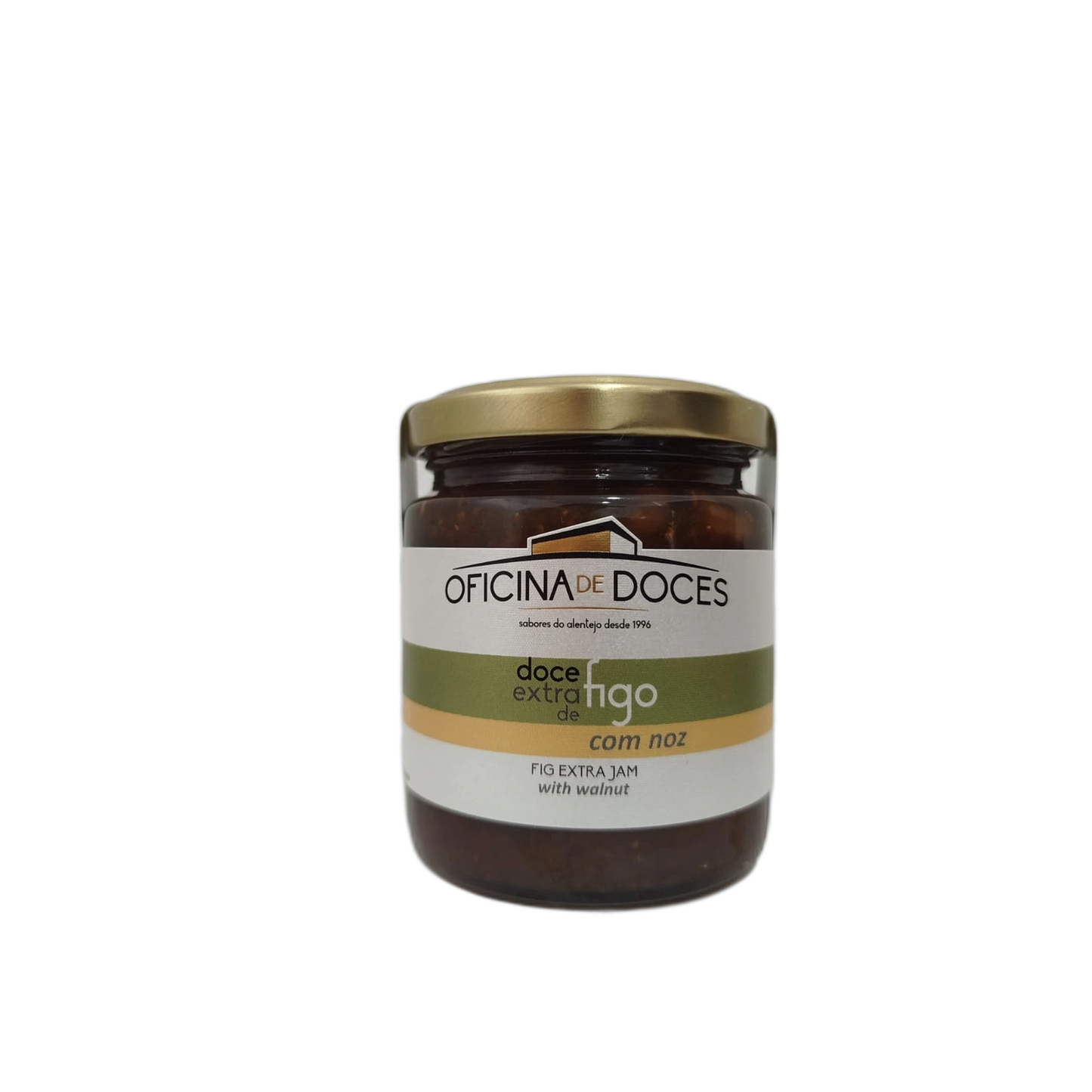
Serve Pão de Rala with our Doce Extra de Figo com Noz - the sweet intensity of the fig and the walnut’s crunchy texture perfectly complement the richness of the almonds, creating a typically Alentejo combination.
Storage
Pão de Rala keeps very well - for up to 1 week at room temperature in a sealed container, or for up to 2 weeks in the fridge. The flavour intensifies the day after preparation.
Indicative nutritional information
Per serving (1/10 of the recipe): Energy 280 kcal | Protein 7 g | Fat 14 g | Carbohydrates 34 g | Fibre 2 g | Salt 0.05 g
The values shown are indicative estimates and may vary depending on the ingredients used.
Frequently asked questions
What is the difference between Pão de Rala and Toucinho do Céu?
Both are Alentejo convent sweets made with almonds and egg yolks, but Pão de Rala has a drier, grainier texture, contains no lard, and has a more intensely almond flavour. Toucinho do Céu is moister and richer due to the pork lard.
Can I use almonds with their skins on?
It is not recommended. Blanched almonds give a finer texture and a milder flavour. To blanch them easily, soak them in boiling water for 1 minute and remove the skins while they are still hot.
Can the cake be made without lemon?
Yes, but the lemon zest adds freshness and balances the sweet intensity of the almonds. We recommend keeping it in the recipe.
Bring this Alentejo tradition to your table
Pair it with Herdade do Estacal’s Vinho Vidigueira Licoroso Branco DOC and serve with Doce Extra de Figo com Noz.
Also discover our Toucinho do Céu de Évora, another irresistible Alentejo convent sweet.
Traditional Alentejo recipe, adapted by Herdade do Estacal for the "À Mesa com o Alentejo" blog, while fully preserving the original methods and ingredients.