Canhestros Pot Soup
The stock is poured piping hot over the bread, with the freshness of mint. Beside it, a platter holds the meat and sausages that gave it its flavour. Canhestros Sopa da Panela is a slow-cooked meal served in two courses: first the bread soup, then the meat.
The recipe was recorded in Canhestros, in the municipality of Ferreira do Alentejo, during an interview with cook Sérgio Miguel Sobral Aniceto in 2012. The Alentejo Gastronomic Guide places it between autumn and spring and brings together chicken, lamb, veal, pork, wild pigeon, partridge and three types of sausage.
Estimated yield: 8 people, with the meat served as a second course
Preparation and finishing: about 30 minutes
Heating and cooking: about 2 hours 30 minutes to 3 hours
Estimated total time: 3 to 3 hours 30 minutes
Ingredients for 8 people
- Half a free-range chicken, about 800 g to 1 kg, cleaned and cut into large pieces
- 300 g of lamb
- 300 g of stewing veal
- 300 g of pork shoulder
- 150 g of bacon
- 1 cleaned wild pigeon, about 350–450 g
- 1 cleaned partridge, about 350–450 g
- 1 blood sausage, about 200 g
- 1 linguiça sausage, about 250 g
- 1 farinheira sausage, about 200 g
- 1 onion
- 1 garlic clove
- 1 clove
- 1 small bunch of parsley
- Mint to taste, for serving
- About 3.5 l of water for the main pot, plus hot water if needed and water to cook the farinheira separately
- Salt to taste, adjusted at the end
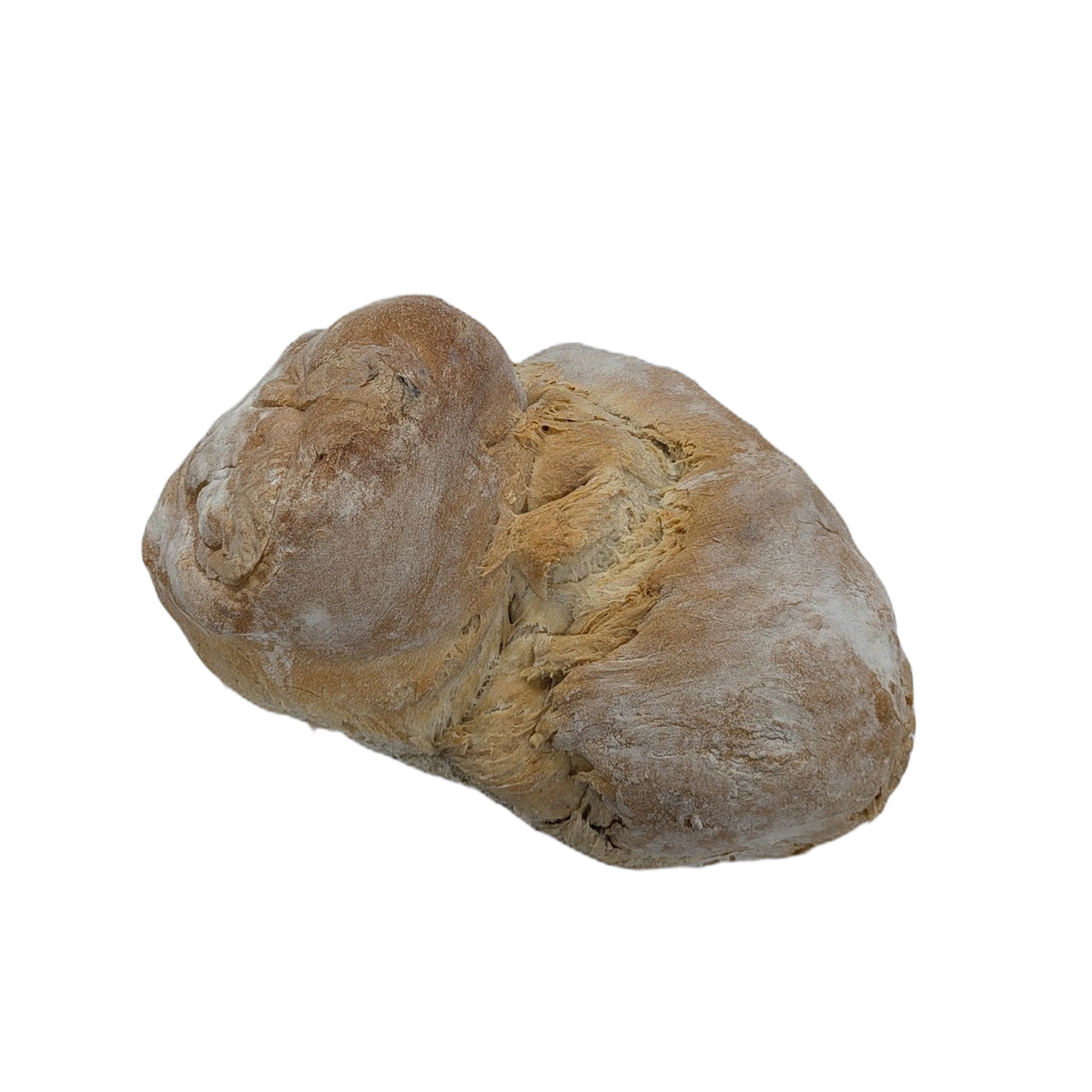
- 500 g of Traditional Alentejo Wood-Fired Oven Bread, preferably a day old
Preparation
-
Prepare the meat and aromatics.
Keep the lamb, veal and pork shoulder in large pieces. Peel the onion, stud it with the clove and peel the garlic. Use a pot of about 8–10 l so it can hold the meat and stock without being filled to the brim. -
Start the stock.
Put the chicken, lamb, veal, pork shoulder, bacon, pigeon and partridge in the pot. Add the onion, garlic and parsley. Pour in about 3.5 l of water, or enough to cover the meat. Bring to the boil, skim off any foam that forms and reduce the heat to a gentle simmer, with the lid ajar. -
Cook each meat until done, then remove it.
Allow about 2–2 hours and 30 minutes from when the water comes to the boil, starting to check the smaller birds after 60 minutes. Remove each piece when tender and fully cooked; a tougher hen may need longer. For poultry, the most reliable check is 75 °C for 30 seconds in the thickest part, without touching the bone. Add hot water if the meat is no longer covered. Set the pieces you remove aside with a little broth; if there is still a long time left, cool them quickly and refrigerate them to reheat at the end. -
Cook the cured sausages.
During the last 30–40 minutes of cooking the meat, add the blood sausage and linguiça to the pot whole, keeping the broth at a gentle simmer. Meanwhile, place the farinheira in a saucepan with enough water to cover it. Heat without letting it boil vigorously and cook for about 15–20 minutes, until piping hot in the centre and the casing is firm, without bursting. Cooking times vary depending on the thickness and type of sausage; if they are raw, also check that the centre reaches 75 °C for 30 seconds. -
Strain the broth and finish the meat.
Remove the meat and cured sausages. Remove the bones from the poultry, including the smaller ones, and cut the meat into serving portions and the cured sausages into slices. Strain the broth through a fine-mesh sieve, skim off some of the fat from the surface and adjust the salt. Reheat the meat and cured sausages in the strained broth over low heat until piping hot in the centre; transfer them to a warmed platter. If the broth is too concentrated, add a little hot water and bring it back to the boil. -
Serve the bread soups with mint.
Cut the bread into thin slices and place them in a tureen or serving earthenware pot. Pour over enough piping-hot broth to soak the bread while leaving some liquid around it. Scatter small sprigs of mint over the top and serve immediately, with the meat and cured sausages on a separate platter.
Tips for a well-balanced broth
A gentle simmer helps keep the broth clearer and prevents the meat from falling apart. Skim off the foam mainly at the beginning; you can reduce the fat after straining.
Add the bread only when serving. Thin slices absorb the broth quickly; if you prepare the soup in advance, set aside the bread and mint for the end.
Wine pairing
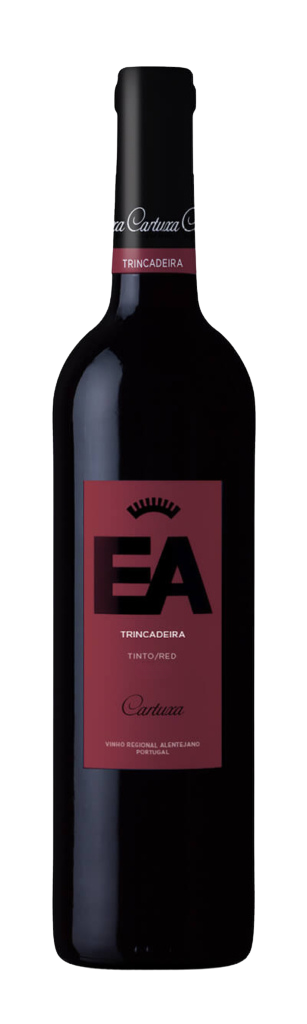
EA Trincadeira Red 2024 pairs with meat and cured sausages, with red fruit, freshness and soft tannins. Serve at 16–18 °C, especially when moving from the soups to the platter.
Advance preparation and storage
You can prepare the broth and meats the day before, keeping the bread separate. Divide into small, shallow containers, cool quickly and refrigerate within 2 hours. Use within 48 hours or freeze portions you won’t use within that time.
Reheat only the amount you need, once, until the broth boils and the meats are thoroughly hot throughout. Then add the bread and fresh mint to serve.
Frequently asked questions
One meat is tender, but the chicken is still tough. What should I do?
Remove any meat that is already cooked and continue cooking the chicken. Don’t leave all the pieces in the pot until the toughest one is ready, as the others may fall apart. Reheat the reserved pieces in the broth before serving.
How can I stop the farinheira from breaking apart in the broth?
Cook it separately in water that is not boiling vigorously, and remove it with a slotted spoon. Let it rest a little before slicing, then gently heat the slices at the end.
The broth is too salty. How can I fix it?
Add hot water a little at a time, taste and heat again. The linguiça, chouriço and bacon already season the broth, so adjust the salt only after cooking them.
Another one-pot recipe from the Lower Alentejo
Also try Messejana Cabbage Stew, with pasta cooked in the broth and the meats served afterwards.
Source and adaptations
Alentejo Gastronomic Guide (2013), p. 772, “Pot Soup”, Canhestros, Ferreira do Alentejo. Interview with Sérgio Miguel Sobral Aniceto by Vera Cara Roxa, ESDIME, in 2012.
Recipe collected in the Alentejo, adapted by Herdade do Estacal for the blog “At the Table with the Alentejo”. The meats, cured sausages, aromas and 500 g of bread from the original recipe have been retained. The approximate weights of the poultry and cured sausages, yield and timings are estimates. The water has been increased from around 2.5 l in the source to around 3.5 l, adjusted to suit the pot. Cooking the cured sausages in stages, cooking the farinheira separately, removing the meats as they are ready, deboning, straining and adjusting the salt at the end are recommendations from this adaptation.
Illustrative photo