Tomato Rice with Grey Mullet Fish
The rice is made with tomato and onion; the fish is coated in flour before going into the frying pan. In this recipe from Cabeça Gorda, in the municipality of Beja, the side dish and the fried fish are prepared separately and come together on the plate just before serving.
The Alentejo Gastronomic Guide recorded this preparation from Mariana in 2012, listing horse mackerel or hake. Here we use horse mackerel, fried until golden, with freshly made tomato rice.
Estimated yield: 4 people
Preparation: about 15 minutes
Cooking time: about 30–35 minutes, with the fish and rice prepared at the same time
Estimated total time: 45–50 minutes
Ingredients for 4 people
- 1 kg small or medium horse mackerel, cleaned and prepared
- 300 g Carolino rice
- 500 g ripe tomatoes, peeled and chopped
- 1 medium onion, chopped
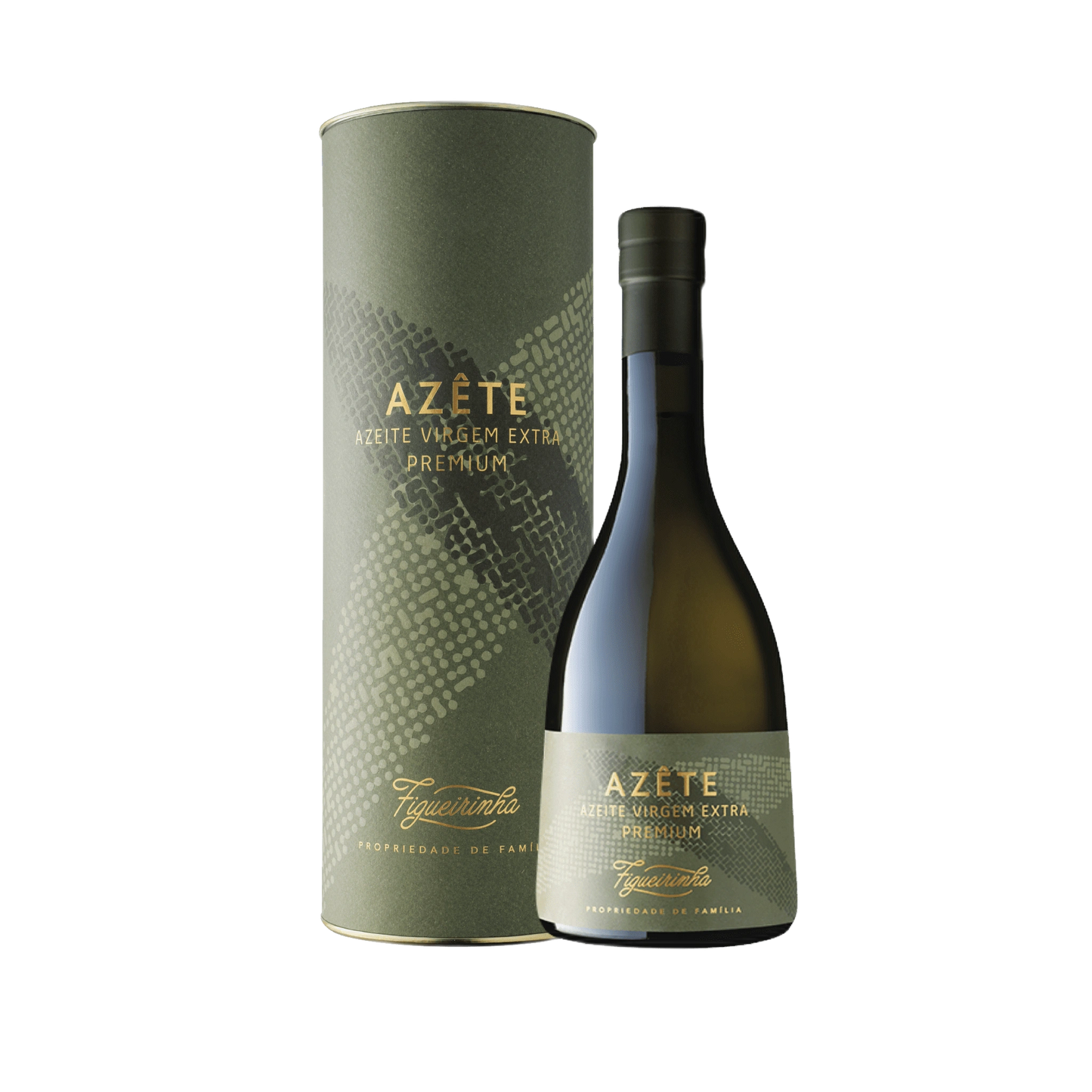
- 40 ml of Azête Figueirinha Extra Virgin
- 900 ml hot water, plus a little more if needed
- 80 g wheat flour, for coating the fish
- Sunflower oil, as needed for frying, enough to form a layer about 1 cm deep in the frying pan
- Salt, as needed
Preparation
-
Season and dry the fish.
Pat the horse mackerel dry with paper towels, season with salt and keep refrigerated while you prepare the rice base. Before coating in flour, remove any moisture that has formed on the surface. -
Sauté the onion.
Heat the olive oil in a saucepan and add the chopped onion. Soften over medium heat for about 5–7 minutes, stirring, without letting it burn. -
Cook the rice with the tomato.
Add the tomato, 900 ml of hot water and a little salt. Once it comes to a boil, add the rice and stir to separate the grains. Simmer gently for about 15–18 minutes, stirring occasionally, until the rice is cooked but still holds its shape. If the liquid reduces before the rice is ready, add hot water a little at a time. Finish with a little broth between the grains and serve immediately. -
Coat the horse mackerel in flour and fry.
While the rice cooks, heat the oil in a wide frying pan to around 170–180 °C. Coat the fish in flour and shake off the excess. Fry in small batches without overcrowding, for about 3–5 minutes on each side, depending on size. The crust should be golden and the flesh opaque near the backbone, coming away easily; for a more reliable check, make sure it reaches 75 °C for 30 seconds at the thickest part, without touching the bone. Adjust the heat if the outside browns before the inside is cooked. -
Drain and serve.
Transfer the fish to paper towels or a wire rack and let it drain briefly. Serve the horse mackerel alongside the rice on the same plate, without dipping it in the broth, to keep the crust crisp. Time the end of frying to coincide with the rice being ready.
Tips for the rice and frying
Choose horse mackerel of a similar size to make it easier to control how each batch cooks. Coat them in flour just before they go into the pan: damp flour forms a thick, uneven coating.
The rice continues to absorb liquid after it is taken off the heat. Leave it a little looser than you want it on the plate, and don’t leave it waiting while you finish frying all the fish. If you need to fry the fish in batches, start frying as soon as you add the rice.
Wine pairing
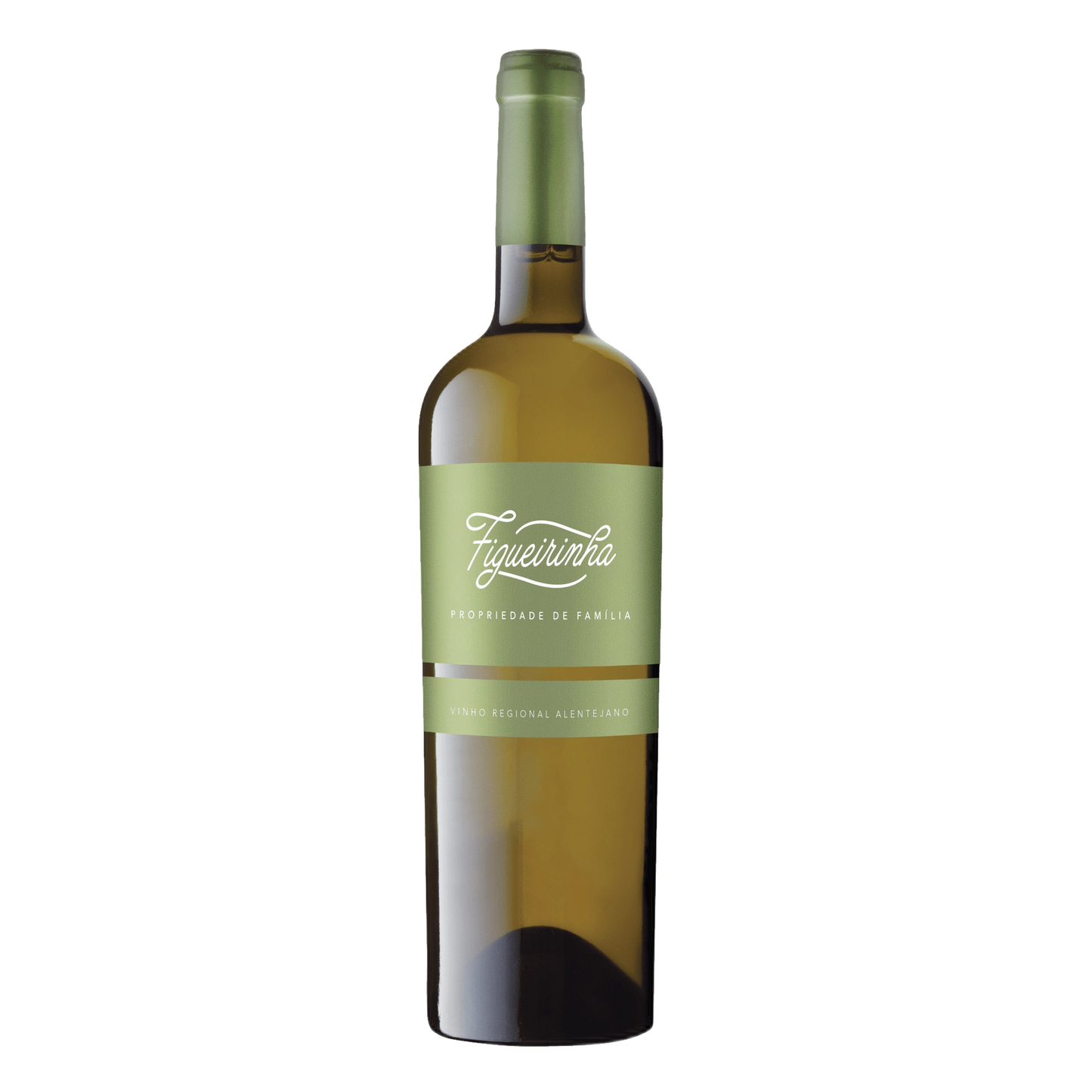
Serve with Figueirinha Branco 2024, chilled to 11–12 °C. The wine’s freshness complements the acidity of the tomato and balances the fried fish without overpowering its flavour.
Preparing ahead and storing
You can chop the onion and prepare the tomato ahead of time and refrigerate them, but cook the rice and fry the fish shortly before serving.
If you have any rice left over, divide it among shallow containers, cool it quickly and refrigerate it, ideally within 1 hour. Eat within 24 hours and reheat only once, until piping hot throughout. Refrigerate the fish separately within 2 hours and eat within 48 hours; the coating will lose some of its crispness.
Frequently asked questions
Can I use hake instead of horse mackerel?
Yes. Hake is the other option mentioned in the source. Use steaks of a similar thickness, pat them dry, season and coat with flour. Frying time depends on the thickness; check that the centre is cooked rather than automatically using the same time as for the horse mackerel.
Why does the flour come off during frying?
The fish may be too wet, have too much flour on it or have been turned before the coating set. Pat it dry, shake off the excess flour and let a crust form before carefully turning it.
The rice dried out before it was cooked. How can I fix it?
Add a little boiling water, stir to distribute it and keep at a gentle simmer. Repeat only if necessary, checking the rice and adjusting the salt at the end.
Another recipe from Beja
Also try Beja Seafood Açorda in Bread, made with the broth from the prawns and clams.
Source and adaptations
Carta Gastronómica do Alentejo (2013), p. 725, “Tomato Rice with Fish”, Cabeça Gorda, Beja. Interview with Mariana by Ana Rita, ADPM, in 2012.
Recipe collected in the Alentejo, adapted by Herdade do Estacal for the blog “À Mesa com o Alentejo”. The source does not specify ingredient quantities or cooking times. The quantities, yield for four people, choice of carolino rice, temperature and timings are estimates for this adaptation. We kept the rice with onion and tomato and the fish salted, floured and fried separately.
Illustrative photograph.