Share
Évora-Style Marinated Hare
Hare in escabeche brings together the flavour of game with the acidity of vinegar, along with onion, garlic, bay leaf and parsley. After resting in the marinade, the meat is browned and returned to the sauce to cook slowly until tender.
A recipe collected in Évora
The Alentejo Gastronomic Guide recorded this preparation in Malagueira, Évora, based on a 2012 interview with relatives of Clotilde da Conceição Trindade. The steps are simple and characteristic of the recipe: leave the hare in the escabeche, fry the pieces “as if they were fish”, then return them to the sauce to simmer and cook through.
Serves: 4 people
Advance preparation: about 2 hours for marinating
Cooking time: about 1 hour and 30 minutes, depending on the hare
Ingredients for 4 people
- 1 cleaned hare, cut into pieces, about 1 to 1.2 kg
- 2 medium onions
- 4 garlic cloves
- 2 bay leaves
- 1 small bunch of parsley
- 10 black peppercorns
- 100 ml red wine vinegar, such as Figueirinha – Red Wine Vinegar – 250 ml
- 100 ml water for the marinade, plus about 200 ml for cooking
- 60 ml olive oil for browning the meat
- Salt to taste
Method
- Make the escabeche. Cut the onions into half-moons and chop the garlic. Mix them with the vinegar, 100 ml water, bay leaf, parsley, peppercorns and a pinch of salt in a bowl or food-safe container.
- Marinate the hare. Coat the pieces of meat in the escabeche. Cover and refrigerate for about 2 hours, turning the meat halfway through so it absorbs the seasoning evenly.
- Brown the meat. Remove the hare from the marinade and set all the marinade aside. Pat the pieces lightly dry with kitchen paper. Heat the olive oil in a wide pot and brown the hare in batches over medium-high heat, turning the pieces so they colour on all sides. Do not overcrowd the pot.
- Let it simmer. Return all the meat to the pot, add the reserved marinade and about 200 ml water. Bring to a boil, lower the heat and partially cover. Cook for about 60 to 90 minutes, stirring occasionally, until the hare is thoroughly cooked and tender. If the sauce reduces before the meat softens, add a little hot water.
- Adjust the sauce and serve. Taste the sauce only after the meat is cooked; adjust the salt and, if needed, simmer uncovered for a few minutes to concentrate the flavour. Serve the hare with the onion and escabeche sauce.
Tips for the escabeche
Hares can vary considerably in size and firmness, so the cooking time is a guide, not a strict rule. The marinade that has touched raw meat must boil and cook with the dish; never use it uncooked. For a less vinegary sauce, start with the amount indicated and adjust only after it has simmered.
Wine pairing
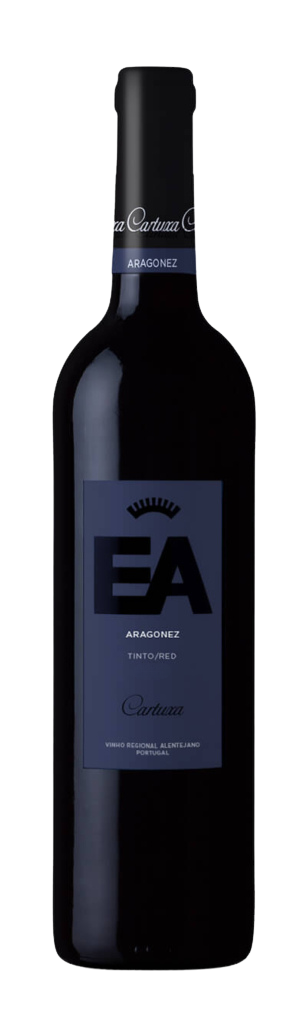
Serve with EA Aragonez Tinto 2024 – Alentejo Regional Wine, from Fundação Eugénio de Almeida.
Advance preparation and storage
You can leave the hare to marinate in the refrigerator before you start cooking. Once cooked, cool it quickly and store it covered in the refrigerator; reheat thoroughly with the sauce before serving.
Frequently asked questions
Can I marinate it for longer?
The collected recipe suggests about two hours, but allows for variations depending on how much time you have. In this version, two hours is enough to follow the steps; always keep the meat in the refrigerator.
Why fry it before returning it to the sauce?
This is the sequence described in the source. Browning the pieces gives them colour; the subsequent cooking in the escabeche finishes tenderising the meat.
Bring Alentejo to your table
Make the escabeche with Figueirinha – Red Wine Vinegar – 250 ml and serve it with EA Aragonez Tinto 2024. For another game recipe, discover our rich red-legged partridge soup.
Source
Confraria Gastronómica do Alentejo, Alentejo Gastronomic Guide (2013), p. 486. Recipe collected in Malagueira, Évora, in an interview with relatives of Clotilde da Conceição Trindade.
Recipe collected in Évora and adapted by Herdade do Estacal for the “À Mesa com o Alentejo” blog. The source describes the ingredients, the marinade of about two hours, frying and cooking in the sauce; the quantities, olive oil for frying and cooking times were added for this version.
Illustrative image generated for this article.