Share
São João de Negrilhos Raisin and Walnut Cake
The honey gives the batter body, the raisins add little bursts of sweetness, and the walnuts leave their mark in every square. This tray bake comes from São João de Negrilhos, in the municipality of Aljustrel.
In the account collected from Palmira do Rosário Romão in 2012, it is recalled that this cake was made on holy days or feast days. The recipe was recorded in the Carta Gastronómica do Alentejo, with the egg whites beaten separately and folded in at the end.
Estimated yield: 20 squares.
Preparation: about 25 minutes.
Oven: about 50–65 minutes, plus cooling time.
Ingredients for one baking tray
Use a 250 ml cup to measure the sugar, honey and milk. Prepare a baking tray measuring about 30 × 25 cm and at least 6 cm deep.
- 4 medium eggs, yolks and whites separated
- 1 cup brown sugar
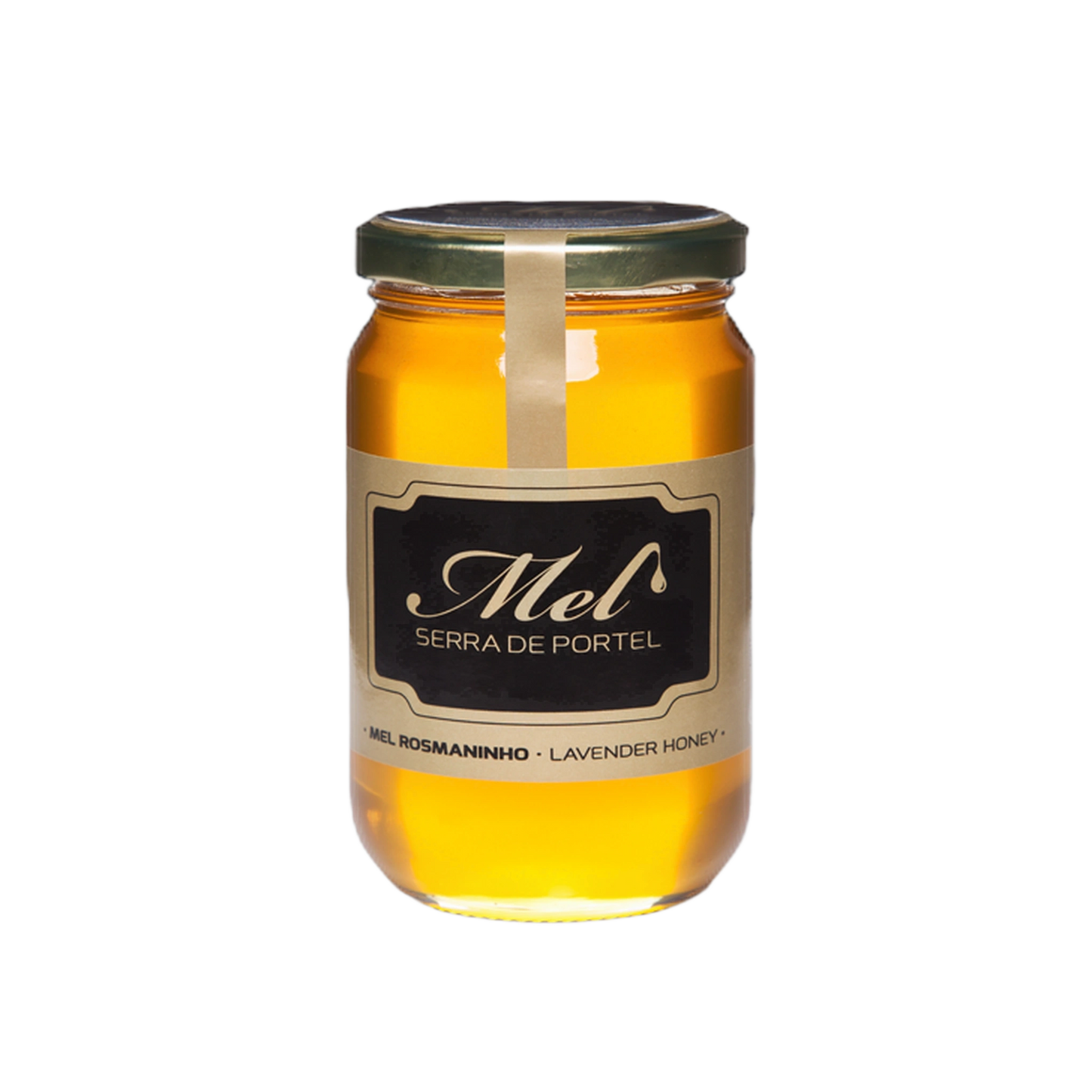
- 1 cup rosemary honey from Serra de Portel
- 1 cup milk
- 500 g plain flour
- 200 g black and golden raisins, seedless, in total
- 200 g walnut kernels
- 1 level tablespoon of baking powder
- 1 level teaspoon of salt
- Butter for greasing the baking tray and baking paper for lining it
Step-by-step preparation
-
Prepare the oven and baking tray.
Preheat the oven to 170 °C, without the fan. Lightly grease the baking tray with butter and line the base and sides with baking paper, leaving two overhanging flaps to help lift out the cake. Roughly chop the walnuts and separate any raisins that are stuck together. -
Beat the egg whites until stiff.
In a clean, dry bowl, beat the egg whites until stiff peaks form. Set aside while you prepare the batter, but don’t leave them standing for longer than necessary. -
Mix the egg yolks, sugar and honey.
Beat the egg yolks with the brown sugar for about 3 minutes, until the mixture is smooth and lighter in colour. Add the honey, then the milk, beating on low speed until combined. -
Mix in the flour and fruit.
Mix the flour with the baking powder and salt. Add to the egg yolk mixture in two or three batches, stirring only until you can no longer see any dry flour. Fold in the raisins and walnuts with a spoon or spatula; the batter will be thick. -
Fold in the egg whites.
Add about one third of the egg whites to make the batter less dense. Fold in the rest in two batches, using broad strokes from the bottom up without beating, until no pockets of egg white remain. Spread in the pan and smooth gently. The batter should not come more than two thirds of the way up the sides; if necessary, use a larger pan. -
Bake, cool and cut.
Bake in the centre of the oven for about 50–65 minutes. Start checking after 45 minutes: the centre should be firm, and a toothpick inserted into a section of batter, without passing through a raisin, should come out without any raw batter on it. If the surface browns too much before the centre is cooked, loosely cover with aluminium foil. Remove from the oven, leave to rest in the pan for about 20 minutes, then carefully transfer to a wire rack, using the parchment paper to help. Cut into squares once cool.
For a clean cut and good texture
Chop the walnuts into small pieces, but not into flour: you should be able to feel them as you eat without making the cake difficult to cut. When adding the egg whites, work gently to preserve the air in the mixture. Wait until the cake has cooled completely before cutting it so the squares don’t fall apart.
Wine pairing
Serve a square with Cartuxa Late Harvest 2018. The sweetness and acidity of this wine make it a good choice to pair with the honey, raisins and walnuts. Serve it at around 12 °C, in small pours.
Make-ahead and storage
You can make the cake the day before. Let it cool completely before covering it to prevent condensation from forming, and store it in a tightly sealed container in a cool, dry place, away from sunlight and heat sources. Cut only the squares you’re going to serve to keep the rest of the cake from drying out.
Frequently asked questions
Is it 200 g of each type of raisin?
No. It’s 200 g in total, combining black and golden raisins; the ratio between the two is up to you.
Which cup should I use?
Use a 250 ml cup for the three ingredients measured by the cup: brown sugar, honey and milk. Fill it to the same level for each measurement.
Is the batter thick before adding the egg whites?
Yes. Do not add milk to make it runny. First fold in some of the egg whites to loosen the batter, then gently fold in the rest, as instructed in the method.
Can I use self-raising flour?
To follow these quantities, use plain flour and add the specified baking powder. Self-raising flour already contains raising agent and its composition varies, so you should not automatically add the recipe’s spoonful of baking powder as well.
The cake is golden, but the centre is still raw. What should I do?
Loosely cover the surface with aluminium foil and continue baking, checking the centre at short intervals. The colour on the outside is not enough to tell: test a patch of the cake with a toothpick, avoiding the raisins. The time may vary depending on the oven, the tray material and the depth of the batter.
More Alentejo sweets
For a different texture and another way of preparing the dried fruit, also discover the Convent of Vidigueira Almond Cake. For this tray bake, choose the Serra de Portel rosemary honey, in a 480 g jar.
Source and adaptations
Recipe collected in São João de Negrilhos, Aljustrel, in an interview with Palmira do Rosário Romão, conducted by Vera Cara Roxa, ESDIME, in 2012. Published in the Carta Gastronómica do Alentejo (2013), page 682, and adapted by Herdade do Estacal for the blog “À Mesa com o Alentejo”.
The recipe source mentions a breakfast cup of sugar, honey and milk, without specifying its capacity; this adaptation uses 250 ml. The quantities of eggs, flour, raisins and walnuts are unchanged. Egg size, level spoonfuls, the baking tray, the detailed mixing sequence, temperature, timings and preparing the tin with butter and baking paper are adaptation guidelines. Yield and timings are estimates and have not been tested in a kitchen. Illustrative image generated.