Share
Cabeço de Vide Nougat with Honey and Lemon
Cabeço de Vide nógado starts with a simple dough of eggs, olive oil, and flour. Thin rolls are made, small pieces are fried, and they are coated in a honey and lemon syrup. Finally, the mixture is shaped into a roll and cut into slices, as described in the record.
A recipe recorded in Alto Alentejo
The Alentejo Gastronomic Charter records this preparation in an interview conducted in 2012 with Maria Jesuína dos Santos Mourato, in Cabeço de Vide, in the municipality of Fronteira. The source explains both how to cut the dough with scissors and how to serve it in slices. It does not indicate a specific festive date for the sweet; it is a suggestion for the December table, not a claim that the record associates it with Christmas.
Yield: about 20 small slices
Total time: about 1 hour and 20 minutes, plus cooling
Ingredients for about 20 slices
- 4 eggs
- 45 ml olive oil (a practical measure for the three half-eggshells specified in the source)
- 350 g plain wheat flour
- 1 g salt
- 1 l vegetable oil for frying, most of which will not be absorbed
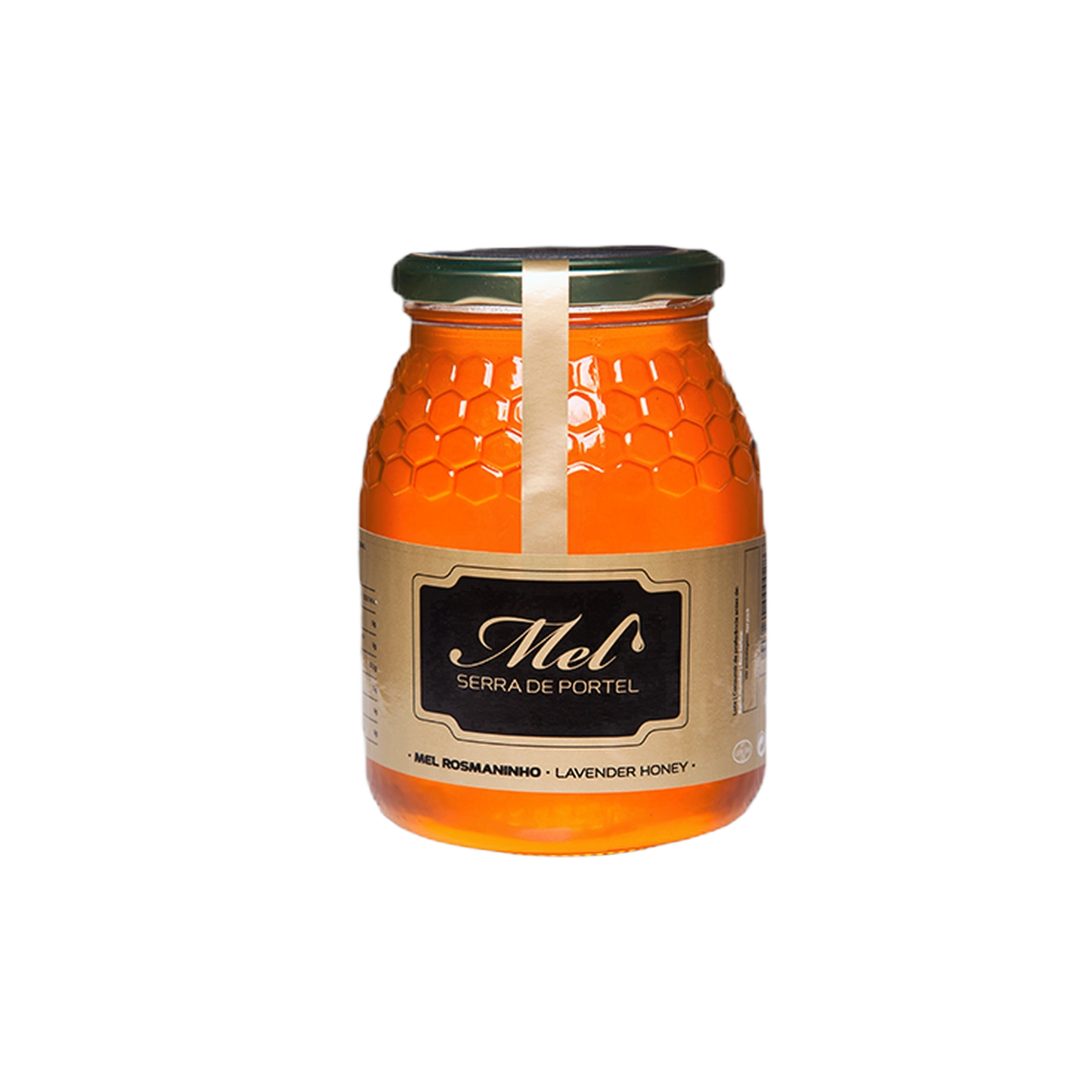
- 750 ml honey, such as Serra de Portel rosemary honey (measure the volume: you may need more than one jar)
- 75 ml hot water (5 tablespoons)
- 1 strip of lemon zest, with the white pith removed
- 30 ml lemon juice
Preparation
- Make the dough. Beat the four eggs with a fork. Add the 45 ml of olive oil and the salt. Gradually add the 350 g of flour and knead for 5 to 7 minutes, until you have a dough that can be rolled by hand, firm but pliable. Cover and leave to rest for 10 minutes.
- Shape and cut. Divide the dough and roll it into pencil-thick rolls, about 7 mm thick. Using scissors, cut them into pieces of about 1 cm. Keep the pieces separate on a lightly floured tray while the oil heats.
- Fry and cool. Heat the oil in a deep saucepan to about 165 °C. Without a thermometer, a small piece of dough should bubble without darkening immediately. Fry in small batches for 2 to 3 minutes, stirring so they brown evenly and cook through the centre. Remove with a slotted spoon, drain on absorbent paper, and leave to cool completely.
- Prepare the syrup. In a wide saucepan, combine the 750 ml of honey, 75 ml of hot water, the lemon zest, and the lemon juice. Heat gently and let it simmer for about 8 to 10 minutes, until the syrup thickens slightly and falls from the spoon in rounded drops, without caramelising. Remove the zest.
- Coat and shape. With the syrup still over low heat, add the cold dough pieces and stir with a wooden spoon until they are all coated in honey. Remove from the heat. Leave to cool until it is safe to handle, but do not let it harden. On a sheet of parchment paper lightly greased with olive oil, shape into a compact roll about 5 cm in diameter. Leave to cool completely and cut into about 20 slices with a lightly greased knife.
Tips for getting the right shape
Cut the dough into small pieces so they fry through and bind together in the syrup. Hot honey causes burns: use the spoon and wait for the sweet to cool slightly before shaping it. If the mixture resists the knife, wait a little longer and grease the blade; do not add flour to the syrup.
Wine pairing
Serve a small measure of Foral de Évora Branco Colheita Tardia 2016 – DOC Alentejo–Évora, 375 ml at about 10 to 12 °C. The acidity indicated in the wine’s fact sheet helps balance a small slice of this very honey-rich sweet. This is a suggestion for the glass, not an ingredient in the recipe.
Storage
Once cool, keep the nógado in a tightly sealed container in a cool, dry place for up to 3 days. If the kitchen is very warm, refrigerate it and let the slices come to room temperature before serving.
Frequently asked questions
Is the honey measured by weight or volume?
The source specifies 7.5 dl: this is 750 ml measured in a graduated cup, not 750 g. Since honey is denser than water, a 985 g jar may not provide the full volume required by the recipe.
Can I add the fried pieces to the syrup while they are still hot?
In the recorded version, the fried pieces cool completely before being added to the hot honey syrup. This helps them retain their texture and makes them easier to coat.
More sweets in the series
Use Serra de Portel rosemary honey in this syrup and also try our Quintos pumpkin sonhos, made with another fried dough.
Source
Alentejo Gastronomic Charter (2013), p. 181. “Nógado”, recorded in Cabeço de Vide, Fronteira, in an interview with Maria Jesuína dos Santos Mourato by Adelaide Martins (Leader-Sor), in 2012.
Recipe recorded in Alto Alentejo, adapted by Herdade do Estacal for the “À Mesa com o Alentejo” blog. We retained the four eggs, the 7.5 dl of honey, the syrup water, the lemon, the frying, and the roll shape from the source. The measure of olive oil in half-eggshells and the flour “until workable” were converted to 45 ml and 350 g to guide preparation; we added times, dimensions, and doneness indicators.
Illustrative image generated for this article.