Share
Alentejo Açorda with Cod and Poached Egg
Alentejo Açorda with Codfish and Poached Egg
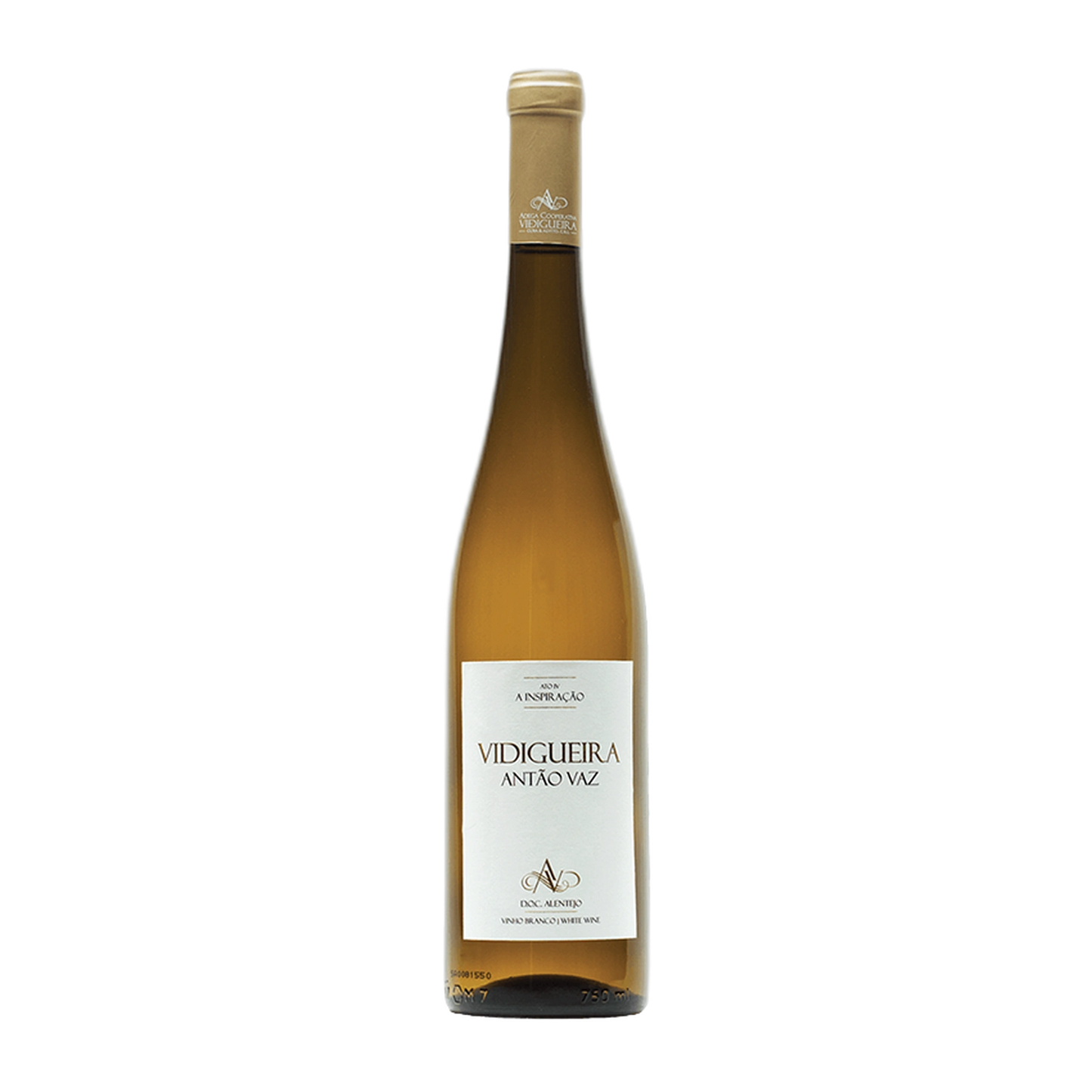
Wine Pairing: Antão Vaz – Herdade do Estacal
Açorda is the dish that best defines the Alentejo soul: simple, humble, and deeply aromatic. Made with stale bread, hot water, garlic, coriander, and fresh olive oil, it reflects the wisdom of a cuisine that transforms little into perfection. In this traditional version, codfish and a poached egg complete the flavour profile, and the Antão Vaz from Herdade do Estacal, with its freshness and notes of white fruit, is the ideal pairing for this rustic dish.
Ingredients (4 servings)
- 4 small portions of rehydrated codfish
- 1 day-old Alentejo bread (stale, thinly sliced)
- 4 cloves garlic
- 1 generous bunch of fresh coriander
- 4 eggs
- 1 dl Herdade do Estacal extra virgin olive oil
- Coarse salt to taste
- Boiling water to taste
Preparation
- Cook the codfish in water for 5 minutes. Remove and reserve the cooking water.
- Crush the garlic and coriander with salt until you obtain an aromatic paste.
- Add the paste to the hot water and let it boil for 2 minutes.
- Poach the eggs in this broth and carefully remove them.
- Place the sliced bread in a terrine and pour the boiling broth over it.
- Arrange the flaked codfish and poached egg on top.
- Drizzle generously with olive oil and serve immediately.
Wine Pairing
The Antão Vaz enhances the aroma of the coriander and the delicate flavour of the codfish. Its balanced acidity cuts through the olive oil and adds freshness to the dish. Serve at 10–11 °C.
Nutritional Information:
Per serving (1 portion)
-
Energy: 450 – 550 kcal
-
Protein: 28 – 35 g
-
Total fat: 18 – 25 g
-
of which saturated: 3 – 6 g
-
Carbohydrates: 40 – 55 g
-
Sugars: 2 – 4 g
-
Fibre: 3 – 5 g
- Salt: 2.5 – 3.5 g
The nutritional values presented are estimates calculated based on food composition tables and may vary depending on the ingredients used, preparation methods, and actual quantities consumed. This information is provided for guidance only.
Sources
- Maria de Lourdes Modesto, Cozinha Tradicional Portuguesa, Dom Quixote, 7th ed., p. 45
- Florbela Ribeiro, Sabores do Alentejo, Associação de Defesa do Património de Mértola, 2014
- Museu Regional de Beja, Receituário Tradicional Alentejano, 2018
Traditional Alentejo recipe, adapted by Herdade do Estacal for the blog “À Mesa com o Alentejo” (At the Table with Alentejo), maintaining all original methods and ingredients.