Sines Mackerel Croquettes with Potato and Parsley
Golden on the outside, soft inside and flecked with pieces of mackerel among the potato and parsley, these croquettes are served piping hot. Finely chopped onion adds flavour, while the whipped egg white makes the mixture lighter. They are a starter to share, with no béchamel or breadcrumb coating.
A family recipe from Sines
The Alentejo Gastronomic Guide collected this croquette recipe in Sines, in the Coastal Alentejo. Maria Elisabete Oliveira said she learned the recipe from her mother. The interview was conducted by Inês Olaio Marques, from ADL, in 2012, and the dish is associated with year-round cooking.
Estimated yield: 22–24 small croquettes, serving 4–6 people as a starter
Estimated total time: about 1 hour and 15 minutes, including cooking, brief cooling and frying
Ingredients
- 300 g cooked mackerel, with the skin and bones removed, from about 700–900 g whole mackerel, depending on size and yield
- 500 g potatoes for cooking, weighed after peeling
- 60 g onion, very finely chopped
- 1 medium egg, with the yolk and white separated
- 2 tablespoons chopped parsley
- Pepper and salt to taste
- About 750 ml to 1 l of Cartuxa Extra Virgin Olive Oil for frying, depending on the pan
- Water for cooking the potato and fish
Step-by-step preparation
-
Cook and dry the potato.
Cut the potato into similarly sized pieces. Cover with water, add a little salt and cook for about 15–20 minutes after the water comes to a boil, until the pieces are tender when pierced with a fork. Drain very well and return to the hot saucepan, off the heat, for 2–3 minutes to release steam. Pass through a food mill or mash with a potato masher, without adding any liquid. Spread in a wide bowl and leave to cool slightly. -
Cook and clean the mackerel.
While the potatoes are cooking, place the cleaned mackerel in a second saucepan and cover with lightly salted water. Simmer gently for about 8–12 minutes, depending on thickness, until the flesh is opaque and comes away easily from the backbone. Remove and leave to cool just enough to handle. Remove the skin, backbone and all the small bones. Weigh out 300 g of cleaned fish and break it into small flakes, checking for bones as you go. -
Prepare the mixture.
Once the potato and mackerel are lukewarm and no longer steaming, combine them with the onion, parsley, pepper and egg yolk. Mix until evenly combined, leaving some visible flakes of fish. Whisk the egg white until stiff peaks form and fold it in last, gently, until no streaks of egg white remain. The mixture should be soft but hold its shape between two spoons. -
Shape and fry in small batches.
Heat the oil in a deep saucepan, filling it well below halfway. Aim for a temperature of around 170–175 °C without letting it smoke. Using two tablespoons, shape one elongated croquette, about 35–40 g, and fry it to check the consistency of the mixture. Then fry a few at a time without crowding the pan, for about 3–4 minutes, turning carefully so they brown evenly. Give the oil time to heat back up between batches. The centre should be piping hot and the egg mixture fully cooked; if using a thermometer, check that the centre of one croquette reaches 75 °C for at least 30 seconds. A golden exterior alone does not confirm that it is cooked through. -
Drain and serve.
Remove the croquettes with a slotted spoon and let them drain on paper towels, without piling them up. Serve as soon as possible, while the outside is firm and the inside remains soft.
Tips for a mixture that holds its shape
Well-drained potato and fish without any excess water are essential. Finely chop the onion so it is evenly distributed throughout the mixture and cooks inside the small croquettes. Fold in the egg white only when the oil is nearly ready, so the mixture is not left standing.
Wine pairing
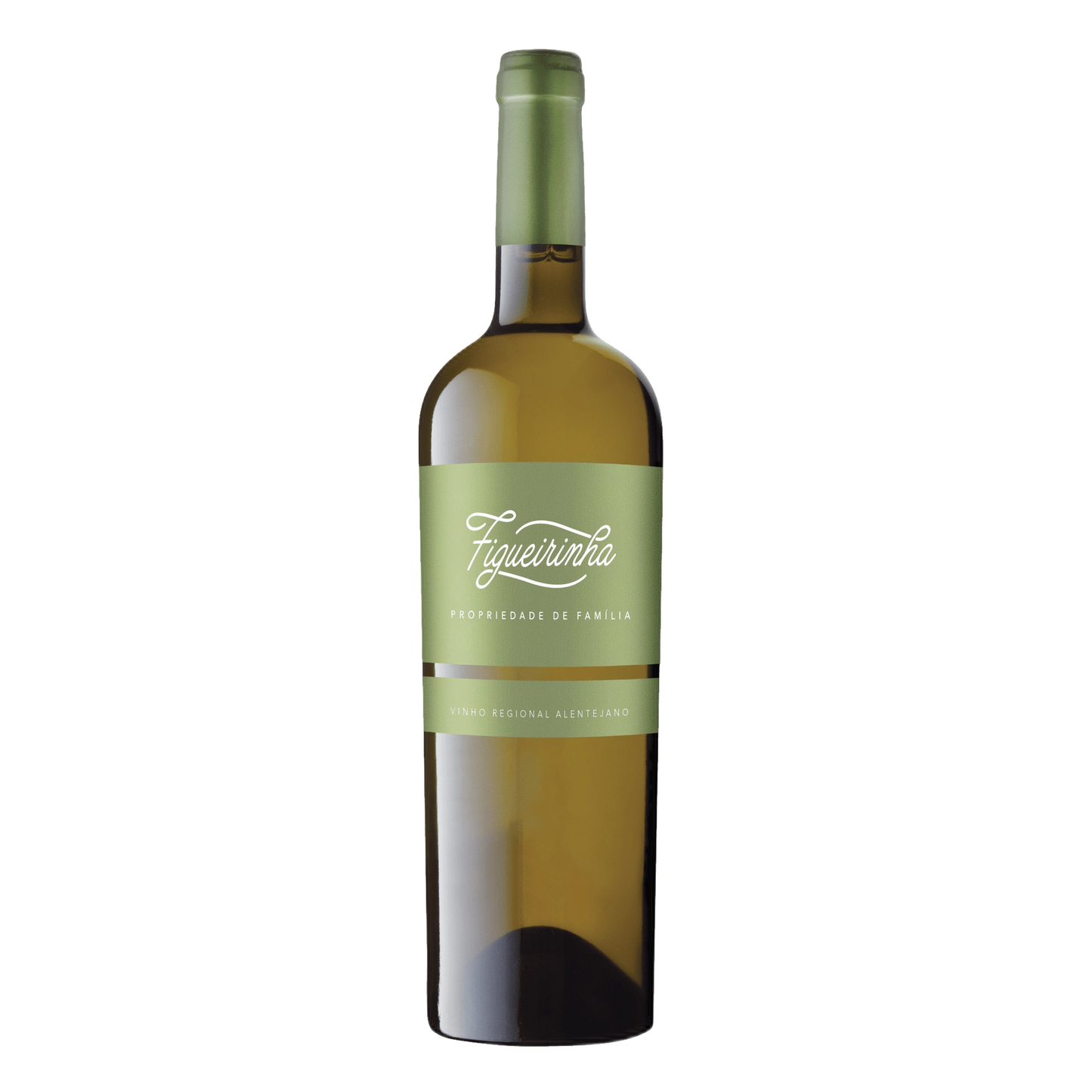
Serve with Figueirinha Branco 2024, at around 11–12 °C. Its freshness and white-fruit notes pair well with the mackerel and balance the fried coating. Cartuxa Extra Virgin Olive Oil is the oil used in this version of the croquettes.
Preparation ahead and storage
You can cook the potato and mackerel the day before. Cool them in shallow containers and refrigerate within two hours of cooking, storing them separately. Finish mixing in the egg yolk and egg white shortly before frying. If you have any cooked fish left over, follow the same storage limit as for other leftovers: eat within 48 hours of cooking.
Refrigerate any leftover croquettes within two hours of frying and consume them within 48 hours, without extending the storage time of ingredients prepared the day before. Reheat only the amount needed until piping hot all the way through; the surface loses some of its texture after refrigeration.
Frequently asked questions
Do the croquettes contain breadcrumbs?
Not in this recipe. The potato, mackerel and egg form the mixture, which is shaped with two spoons and fried directly. There is no breading step.
The first portion falls apart in the olive oil. How can I fix it?
Stop frying and check whether the olive oil is hot enough. If the mixture is still lukewarm and very soft, put it in the fridge briefly until it firms up, then try a small portion again. Don’t try to fix it by frying more croquettes at the same time. Next time, drain the fish more thoroughly and let the potato cool until it stops steaming before mixing.
Can I add the egg while the potato is hot?
First let it cool until lukewarm, without releasing steam. This way, the yolk won’t start cooking when mixed in, and the egg white can be folded in last.
More flavours of the sea
For another fish and seafood starter, discover the Lower Alentejo Clam Soup.
Source and adaptations
Alentejo Gastronomic Guide (2013), p. 1088, “Mackerel Croquettes”, Sines. Interview with Maria Elisabete Oliveira by Inês Olaio Marques, ADL, in 2012.
Recipe collected in the Alentejo, adapted by Herdade do Estacal for the blog “At the Table with the Alentejo”. We keep the cooked mackerel and potato, onion, parsley, egg yolk and whipped egg white added at the end. The source specifies one egg but does not quantify the other ingredients; the proportions, croquette size, cooking times and frying temperature are guidelines for this adaptation. We use olive oil instead of the oil mentioned in the original recipe. Salt is an adjustment in this version. Yield and timings are estimates.
Illustrative image generated for this article.