Share
How to choose olive oil: flavor, use, and format
A mild olive oil for salad, a more intense one to enjoy with bread, a bottle to give as a gift or a large can for the kitchen: the choice starts with the flavour and how you plan to use it.
For seasoning and cooking
Olive oil shows its flavour best when used uncooked. Drizzled over bread, in a salad or on a freshly served soup, you can distinguish mild profiles from fruitier, bitter or pungent ones. Bitterness and pungency can be positive attributes, not defects.
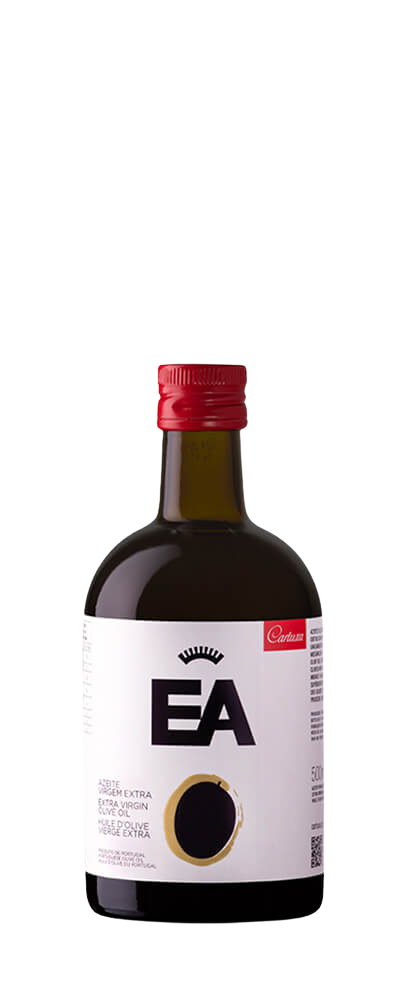
EA Extra Virgin Olive Oil, 500 ml has a fruity profile, with a slight bitterness and pungency. It's a versatile choice for salads, sauces, and fish or meat dishes.
Extra virgin, virgin, acidity and colour
Our selection includes extra virgin olive oils and Álamos Virgin Olive Oil, 5 L. These are distinct categories, defined by chemical and sensory analysis. Within each category, choose the flavour you like and the size that suits you best.
Acidity measures free fatty acids, not flavour intensity or pungency. An olive oil with lower acidity is not necessarily milder. To choose by flavour, see the product description.
Colour does not determine quality either: a green olive oil is not better than a golden one just because of its colour.
PDO, PGI and organic
PDO: a connection to the origin
The Protected Designation of Origin identifies an olive oil with characteristics linked to its geographical environment. The olives come from the defined area, and all stages of production, processing and preparation take place in that area, according to the designation's rules. Look for the protected name and the PDO symbol on the label.
PGI: a different geographical connection
For a Protected Geographical Indication, a quality, reputation or other characteristic is linked to the origin. At least one of the stages of production, processing or preparation takes place in the defined area. PDO and PGI distinguish different forms of connection to the origin, not different levels of flavour intensity.
Organic: the production method
The European Union organic logo identifies a product certified under organic production rules. The control body's code and the origin of the agricultural raw materials appear alongside the symbol. Certification relates to the production method; it does not indicate whether the olive oil is milder or more intense.
Facts about Portuguese olive oil
Six designations, three in Alentejo
Portugal has six protected designations of origin for olive oil: Azeite de Moura, Azeite de Trás-os-Montes, Azeite do Alentejo Interior, Azeites da Beira Interior, Azeites do Norte Alentejano and Azeites do Ribatejo. Moura, Alentejo Interior and Norte Alentejano are the three linked to Alentejo.
The same variety, different origins
Galega features in several Portuguese designations. In Ribatejo PDO olive oils, it is blended with Lentisca; in Trás-os-Montes PDO olive oil, the varieties include Verdeal transmontana, Madural, Cobrançosa and Cordovil. Olive blends are part of each origin’s identity.
Award-winning Portuguese olive oils
Portugal was among the countries awarded prizes at the 2025 Mario Solinas, in the Northern Hemisphere edition organised by the International Olive Council. A total of 130 extra virgin olive oils from 11 countries entered the competition, assessed by nine tasters. Harmony, complexity and persistence were among the evaluation criteria.
Monovarietals: taste the difference
Monovarietal olive oil is made from a single olive variety. Its flavour also depends on the ripeness of the fruit, production and storage.
Galega: mild and delicate
The 500 ml Monovarietal Galega has a mild profile, with a slight pepperiness and subtle bitterness. Try it in a salad when you want a delicate dressing.
Cordovil: intense fruitiness
The 500 ml Monovarietal Cordovil has an intense fruitiness, with bitterness and pepperiness. We recommend using it to finish roasts and grilled dishes, or enjoying it with bread.
Cobrançosa and Maçanilha
The 500 ml Monovarietal Cobrançosa is balanced, with bitterness and pepperiness that vary with the ripeness of the olives. The 500 ml Monovarietal Maçanilha is mild and fresh, with notes of green fruit, making it ideal for salads and fresh sauces.
Figueirinha and Azête
Figueirinha Extra Virgin Olive Oil has a fresh aroma, intense fruitiness and a slightly peppery note. It's suitable for both dressing and cooking, and is available in several sizes.
Azête Figueirinha Extra Virgin Olive Oil, 500 ml stands out for its green fruitiness and herbaceous notes, with a bitter taste and a slight peppery kick. Try a drizzle over soup or salad.
Bottle or large bottle?
A 500 ml bottle lets you try an olive oil without buying a large quantity. As a gift, Cartuxa Extra Virgin Olive Oil, 500 ml, in a tube is a good option. If you like trying different flavours, choose two single-variety oils.
If you use olive oil every day, consider EA Extra Virgin Olive Oil, 3 L or Figueirinha Extra Virgin Olive Oil, 3 L. In 5 L, you'll find Figueirinha Extra Virgin Olive Oil and Álamos Virgin Olive Oil. The best size is the one that suits your household's consumption.
Polyphenols and health
Polyphenols are compounds found in olives and olive oil that have been studied for their antioxidant activity, including their effects on lipid oxidation. Their levels vary according to the variety and ripeness of the fruit. To find out how much is present in an olive oil, it must be analysed: the acidity and the variety name do not provide this information.
Olive oil provides monounsaturated fats. Replacing sources of saturated fat with sources of unsaturated fat, such as olive oil, is part of the recommendations for a diet that supports cardiovascular health. The benefit comes from replacing other fats as part of a balanced diet, not from adding more fat.
Shelf life and storage
When stored properly, olive oil can keep for quite a long time. Keep it tightly closed in a cool, dry place, away from light and heat from the stove. Light, heat and contact with air encourage oxidation; olive oil does not improve with age.
Check the best-before date on the label and follow the producer's instructions. If you use an oil cruet, keep it closed and protected from light as well.
At the table
Bread, a drizzle of EA Extra Virgin and a glass of Cartuxa Branco 2024: a suggestion to start the meal. To complete the table or prepare a gift, see the guides to aged or buttery cheese and wine to give as a gift.
Sources
Choosing and storage: DECO PROteste and Casa do Azeite. Characteristics and formats: product pages in the Herdade do Estacal shop.
Origin and certification: European Commission — PDO and PGI and organic production; DGADR — olive oils and olives; Turismo de Portugal — olive oil tourism. Awards: International Olive Council — 2025 Mario Solinas, Northern Hemisphere.
Nutrition and polyphenols: American Heart Association; International Olive Council — olive ripening; EFSA — polyphenols.