Tomato Soup with Albernoa Pork Ribs
The bread soaks up the tomato and pennyroyal broth; the pork ribs and linguiça add the flavour of the frying. Potatoes and poached eggs complete these soups from Albernoa, in the municipality of Beja, featured in the Alentejo Gastronomic Guide.
The base is made using the fat from frying the meat, which is used to sauté the onion and tomatoes in a second saucepan. At the end, everything is brought together in a serving bowl, over slices of Alentejo bread.
Serves: 4
Preparation: about 20 minutes
Cooking: about 45–60 minutes, with both preparations done simultaneously
Estimated total time: 1 hour 5 minutes to 1 hour 20 minutes
Ingredients
- 800 g pork ribs, cut into small bone-in pieces
- Half a 250 g Alentejo White Pork Linguiça, about 125 g, cut into thick slices
- 30 ml olive oil
- 3 garlic cloves, sliced
- 1 medium onion, chopped
- 800 g ripe tomatoes, peeled and chopped
- 1 small bunch of pennyroyal
- 1.2 l hot water, plus a little more if needed
- 400 g peeled potatoes, cut into slices about 5 mm thick
- 4 eggs
- 250 g day-old Alentejo bread, thinly sliced
- Salt, to taste
Preparation
-
Fry the pork ribs and linguiça.
Season the pork ribs with a little salt. Heat the olive oil in a wide frying pan and brown the meat, in two batches if necessary. Reduce the heat to medium-low and continue frying, turning the pieces, until they are cooked through next to the bone; allow about 35–45 minutes, depending on their size. If they brown too quickly, lower the heat. During the last 8–10 minutes, add the linguiça and sliced garlic, making sure they do not burn. The ribs should reach 75 °C for 30 seconds at their thickest point, without touching the bone with the thermometer. -
Prepare the tomato base.
Once there is enough fat from frying, transfer about 2–3 tablespoons to a wide saucepan, leaving the meat to finish cooking in the frying pan. Add the onion and soften for 5–7 minutes, stirring. Add the tomatoes and pennyroyal, tied into a small bunch, and cook for 12–15 minutes, until the tomatoes break down and form a rich tomato base. -
Cook the potatoes in the broth.
Add the hot water to the sautéed mixture and bring to a boil. Add the potatoes and simmer gently for about 15–20 minutes, until a knife tip slides easily into the slices. Taste and adjust the salt, bearing in mind that the linguiça is salty. If the broth has reduced too much, add a little hot water: there should be enough to soak the bread and keep the soup brothy. Remove the bunch of pennyroyal. -
Poach the eggs.
Crack each egg into a cup and slide it into the broth, leaving space between them. Keep the broth at a very gentle simmer, cover, and cook until the whites and yolks are set, about 7–10 minutes, depending on the size of the eggs. Avoid stirring at this stage so they don’t break apart. -
Assemble the soup and serve.
Arrange the bread slices in a wide serving bowl. Remove the eggs with a slotted spoon and set them aside briefly. Pour the broth and potatoes over the bread, add the pork ribs and linguiça, and finish with the eggs. Serve immediately, while the bread absorbs the broth without losing all its texture.
Tips for a richly flavoured soup
Use very ripe tomatoes and let them cook down before adding the water. This is when the base develops its concentrated flavour, without relying solely on the fat from the linguiça.
Cut the pork ribs into small pieces so you can fry them through without burning the outside. Day-old bread holds up better in the broth; slice it thinly, but not so thin that it falls apart straight away.
Pairing
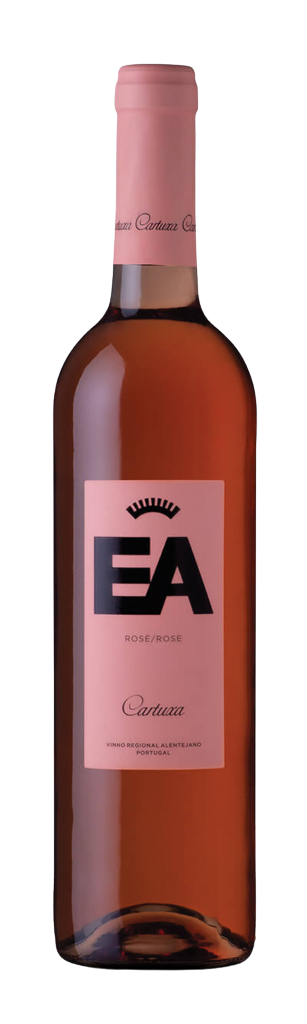
Pair with EA Rosé 2024, served at 8–10 °C. The rosé’s freshness balances the richness of the pork ribs and linguiça and complements the acidity of the tomato without weighing down the pennyroyal broth.
Prepare ahead and store
You can prepare the meat and potato broth the day before, storing them separately from the bread. Cool and refrigerate within 2 hours in shallow containers, and consume within 48 hours. Add the eggs and bread only when ready to serve.
Reheat the meat and broth until piping hot throughout; then poach the eggs and assemble the soup. The bread loses its texture when stored after soaking, so assemble only the portions you are about to serve.
Frequently asked questions
The broth became too thick after I added the bread. How can I adjust it?
Add some reserved hot broth or a little hot water, gradually, and adjust the salt. The bread will continue to absorb liquid, so assemble the dish close to serving time.
Can I use tomato purée?
Yes. The source allows for either tomatoes or tomato purée. Since the purée may be more concentrated, add it gradually and adjust the water as the broth simmers, rather than automatically replacing fresh tomatoes with the same weight of purée.
How can I stop the eggs from breaking up in the broth?
Wait until the potatoes are cooked, lower the heat and add the eggs one at a time from a cup. Once they are in, do not stir the broth with a spoon; remove them with a slotted spoon before pouring the soup over the bread.
Another soup from the municipality of Beja
Also try Baleizão-Style Alentejo Dogfish Soup, another way to bring Alentejo soups to the table.
Source and adaptations
Recipe from Albernoa, Beja, collected in the Alentejo Gastronomic Guide (2013), p. 704. Interview with Maria Palma Rosa, conducted by Ana Rita, ADPM, in 2012.
The source lists the ingredients and cooking sequence, including half a Portuguese sausage, 2–3 cloves of garlic and one onion, but does not give full quantities or cooking times. The remaining quantities and times are estimates for 4 people; salt was added in this adaptation. The potatoes are explicitly cooked before adding the eggs, and the meat is served with the soup.
Illustrative photograph.