Share
Montargil Corn Porridge with Pork
Montargil cornmeal porridge is cooked with the drippings left after frying pork seasoned with red pepper paste. The cornmeal slowly thickens in the pot, creating a creamy preparation served by the spoon, with the meat on the side.
A recipe from Montargil
Carta Gastronómica do Alentejo records this porridge in Montargil, in the municipality of Ponte de Sor, in an interview with Maria Fernanda Joaquina Rosa. It is identified as a preparation made throughout the year. The meat drippings are used to cook the cornmeal with water and salt, stirring constantly until it reaches the desired consistency.
Estimated yield: 4 people
Approximate time: 55 to 65 minutes, plus 30 minutes for the meat to rest
Ingredients
- 600 g pork steaks, cut into strips about 1 cm thick
- 25 g red pepper paste
- 60 ml extra virgin olive oil
- 200 g fine yellow cornmeal, not pre-cooked
- 1 l water, plus a little hot water to adjust the consistency
- Salt, only if needed after tasting
Step-by-step preparation
-
Season the meat.
Coat the pork strips with the red pepper paste, distributing it over all the meat. Cover and leave to rest in the refrigerator for about 30 minutes. Do not add salt at this stage: red pepper paste is usually already salty. -
Fry and set aside.
Heat the olive oil in a wide frying pan over medium heat. Fry the meat in two batches, without overlapping the strips, turning them to cook on both sides. Allow about 8 to 10 minutes per batch, depending on the thickness, until the meat is cooked through and browned on the surface. Lower the heat if the red pepper paste starts to darken too much. Transfer the meat to a serving dish and keep it covered while preparing the porridge. Reserve the frying drippings, leaving behind any burnt residue. -
Mix the cornmeal.
In a bowl, mix the cornmeal with 250 ml of the cold water, stirring until there are no lumps. Transfer the meat drippings to a heavy-based pot and let them cool slightly off the heat. Add the cornmeal mixture and combine. Gradually add the remaining 750 ml of water, stirring well. -
Cook the porridge.
Place the pot over medium heat, stirring continuously with a wooden spoon and scraping the bottom. When it starts to thicken and bubble, reduce the heat to low. Cook for about 20 to 30 minutes, keeping it at a gentle simmer and stirring often enough to prevent it from sticking. The cornmeal should lose its raw taste and the porridge should become creamy, without hard grains. If it thickens before the cornmeal is cooked, add hot water in small portions of about 50 ml and continue stirring. -
Adjust the consistency and salt.
Taste the porridge and add salt only if necessary, bearing in mind the seasoning in the drippings. It should fall from the spoon as a thick but soft mixture, neither liquid nor set into a block. Adjust with a little hot water if necessary, and stir until incorporated. -
Serve with the meat.
Divide the porridge between deep plates or a serving dish and serve immediately, with the pork on the side. If the meat has cooled, briefly reheat it before serving. The porridge thickens as it rests, so it is best served freshly made.
The secret is gentle heat
The cornmeal needs to cook, not merely thicken. Mixing it first with cold water prevents lumps; afterwards, gentle heat and running the spoon across the bottom help produce a smooth porridge without letting it stick. Use fine, non-pre-cooked cornmeal to follow the indicated cooking times.
Wine and olive oil at the table
To accompany the pork and red pepper paste, we recommend Vidigueira Reserva Tinto DOC.
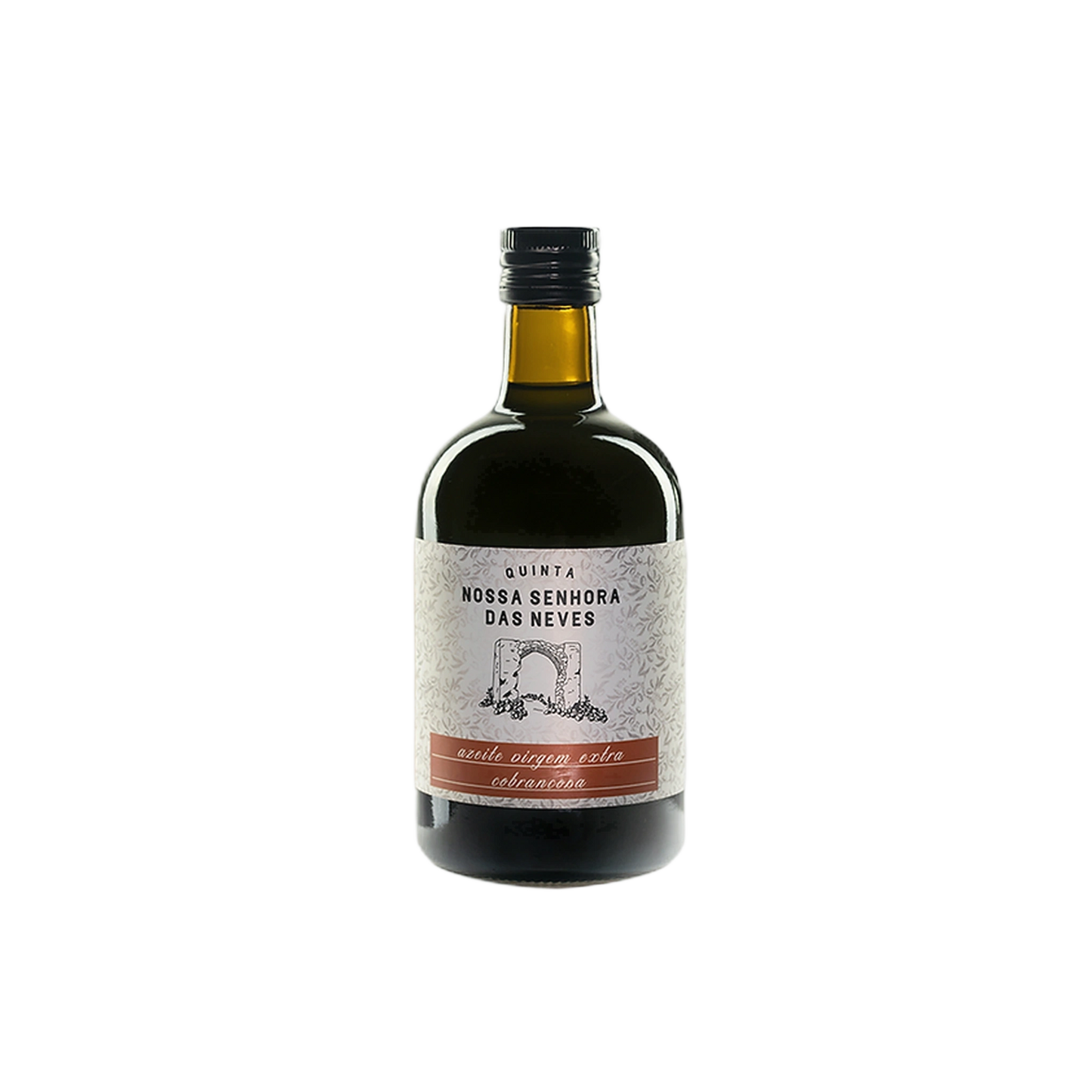
Use Cobrançosa Monovarietal Extra Virgin Olive Oil, 500 ml to fry the meat. The drippings left in the frying pan are then added to the porridge.
Advance preparation and storage
You can leave the seasoned meat in the refrigerator and measure out the cornmeal in advance. Prepare the porridge close to mealtime so that it can be served creamy. Store any leftovers in covered containers in the refrigerator after cooling them promptly. To reheat the porridge, add a little water and stir over low heat until thoroughly hot and smooth again.
More flavours from the Alentejo
Also try our Tomato Migas with Scrambled Eggs, another pot-cooked preparation to add variety to the table.
Source and adaptations
Carta Gastronómica do Alentejo (2013), p. 351, “Papas de Milho”, Montargil, Ponte de Sor. Interview with Maria Fernanda Joaquina Rosa by Teresa Simão, Leader-Sor, in 2012.
Recipe collected in the Alentejo, adapted by Herdade do Estacal for the blog “À Mesa com o Alentejo”. We kept the meat seasoned with red pepper paste, fried in olive oil, and the cornmeal cooked in the drippings with water. For this preparation, we use pork steaks, fine cornmeal and red pepper paste as seasoning. The quantities, resting time for the meat and cooking times are guidelines; the yield and durations are estimates.