Share
Roast Kid Goat from Montargil
Roast kid from Montargil starts the day before, with garlic, salt and white wine. The following day, it is roasted on a generous bed of onion with olive oil, lard, paprika, parsley and bay leaf. The sauce is spooned over the meat as it roasts and served alongside it, accompanied by fried potatoes.
The Alentejo Gastronomic Guide describes this dish as a “traditional Christmas Day recipe” in Montargil, in the municipality of Ponte de Sor. The survey includes both kid and lamb versions and also mentions the dish being served at weddings.
Estimated yield: 4 to 6 servings.
Preparation: about 35 minutes, plus marinating overnight.
Oven: approximately 2 hours to 2 hours 30 minutes; fry the potatoes at the same time.
Resting time: 10 minutes.
Estimated total time on the day: 2 hours 45 minutes to 3 hours 15 minutes, excluding marinating time.
Ingredients
For the kid
- 2 hind legs of kid, bone-in, about 1.6 to 2 kg in total
- 6 garlic cloves, divided between the marinade and the dish
- 250 ml dry white wine
- 2 large onions, about 400 g in total, chopped
- 50 ml extra virgin olive oil
- 30 g lard
- 1 teaspoon paprika
- 1 small bunch of parsley
- 2 bay leaves
- Salt and black pepper to taste
- Up to 200 ml hot water, only if needed during roasting
To serve
- 1 kg potatoes for frying
- About 1 l of oil for frying, adjusting to the size of the pan and not filling it more than one-third full
- Salt to taste
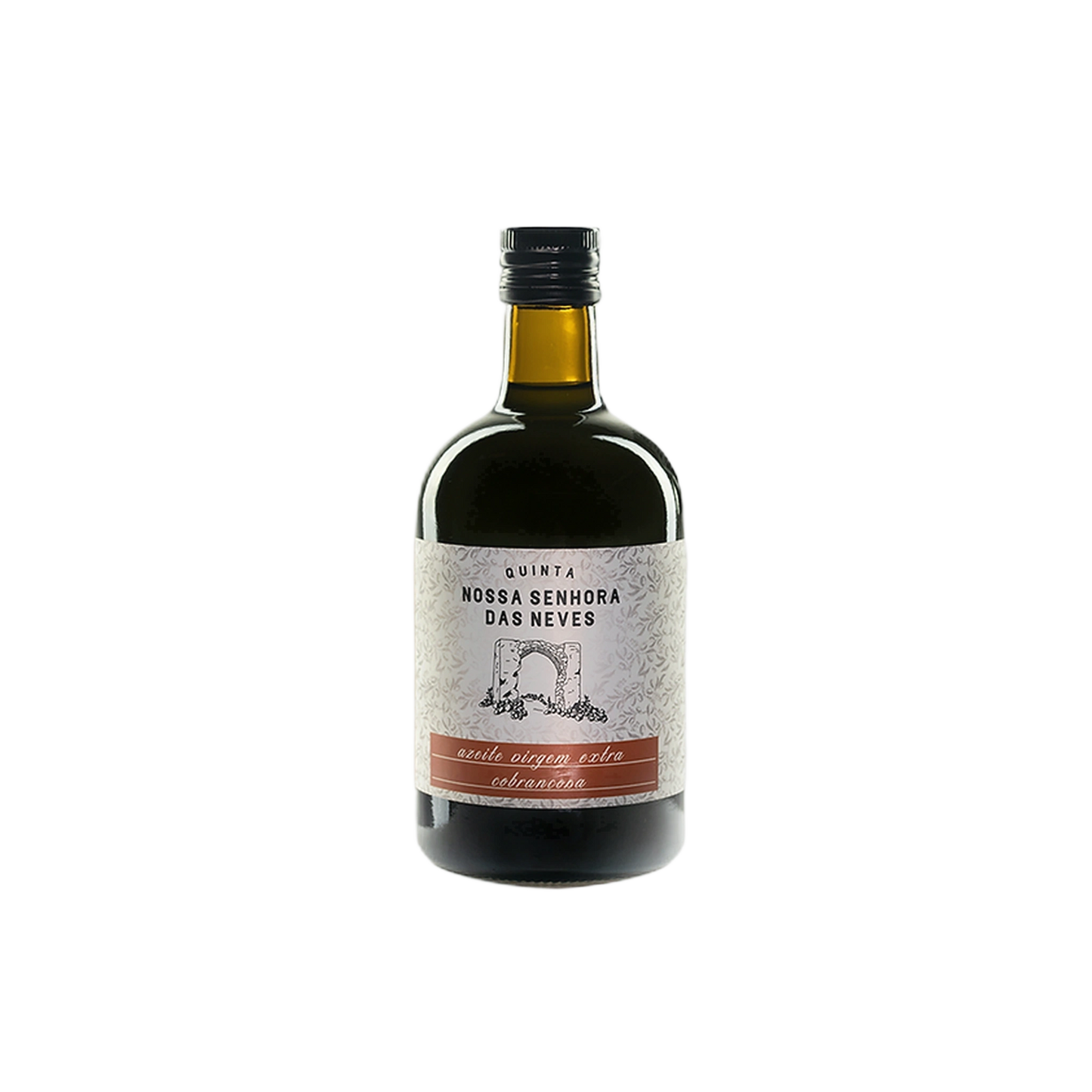
For the dish, use 500 ml of Cobrançosa Single-Varietal Extra Virgin Olive Oil.
Preparation
-
Season the day before.
Chop 4 garlic cloves and rub the kid legs with the garlic and salt. Place them in a non-reactive container, pour over the 250 ml of white wine, cover and refrigerate until the following day. Turn the pieces once to distribute the seasoning. -
Prepare the dish.
Preheat the oven to 170 °C, using conventional heat. Spread the olive oil and lard in an ovenproof earthenware dish large enough for the legs to sit side by side without overlapping. Add the chopped onion and the remaining 2 garlic cloves, also chopped. Arrange the meat on top, pour the marinade into the bottom of the dish, and season with the paprika and pepper. Tuck the parsley and bay leaves between the pieces. Follow the dish manufacturer's instructions to avoid thermal shock. -
Roast and baste with the sauce.
Cover the tray with aluminium foil, without letting it touch the meat, and roast for about 1 hour and 15 minutes. Carefully uncover, baste the meat with the sauce and continue roasting for another 45 to 75 minutes, basting every 20 to 30 minutes. If the bottom starts to dry out, add hot water in small amounts of 30 to 50 ml, without exceeding the planned 200 ml. Start checking for tenderness after about 1 hour and 45 minutes: the meat should yield easily to a fork near the bone. If using a thermometer, confirm an internal temperature of at least 70 °C for 2 minutes in the thickest part, without touching the bone. If it reaches that temperature but is still tough, continue roasting covered, with sauce in the bottom of the tray; if it browns too quickly, cover it again. -
Fry the potatoes.
Start preparing to fry the potatoes about 45 minutes before the roast is expected to be ready. Peel the potatoes, cut them into evenly sized chips, rinse and dry them very thoroughly. Heat the oil in a deep, sturdy pan, filling it no more than one-third full, to about 170 °C. Fry in small batches without overcrowding for approximately 10 to 15 minutes per batch, until cooked through and golden on the outside. Drain on a rack or paper towels and season with salt. Adjust when you start frying to suit the size of the pan, and aim to finish the last batch close to serving time. -
Let it rest and adjust the sauce.
Remove the kid goat when it is cooked and tender, and let it rest for 10 minutes, loosely covered. Remove the bay leaf and parsley stalks from the sauce, stir the onion at the bottom of the tray and taste to adjust the salt. If you have added too much water, transfer the sauce to a small saucepan and let it reduce gently while the meat rests. -
Serve with the fries.
Serve the kid goat with the onion and roasting sauce. Serve the fries on the side so they do not soften in the sauce before reaching the plate.
Roasting tips
The onion should stay under the meat and remain moist. If the edges are browning while the meat is still tough, baste it with the sauce and cover the tray; do not turn up the oven to try to speed up the roasting.
The kid goat’s size and age affect the cooking time. Two small legs do not cook like one large piece: use the timings as a guide and check the thickest part of each one.
Pairing
Serve with Foral de Évora Tinto 2020 – DOC Alentejo–Évora. A red wine to serve with the kid goat and its garlic, onion and paprika sauce, at 16 to 18 °C. The white wine listed in the ingredients is reserved for the marinade and the roast.
Prepare ahead and storage
Season the meat and leave it in the fridge overnight. The onion and the remaining tray seasonings can be prepared separately and refrigerated too. Leave frying the potatoes until shortly before serving.
If you have leftover meat and sauce, divide them between shallow containers so they cool quickly, and store them covered in the fridge. Reheat only the amount you’re going to serve, with a little sauce, until piping hot all the way through. Store the potatoes separately; once refrigerated, they won’t retain the texture of freshly fried potatoes.
Frequently asked questions
The meat is browned, but still tough. What should I do?
Cover the pan again and continue roasting at 170 °C, with sauce at the bottom. Add a little of the measured hot water if the pan is drying out, and check for tenderness again after 15 to 20 minutes. The colour of the surface does not, by itself, indicate that the meat is tender or cooked through.
Should I pour the marinade into the pan?
Yes, add it at the start of roasting and cook it with the meat. Don’t set it aside to baste the cooked kid or use it as a raw sauce at the table.
Can I roast the potatoes with the kid?
To follow the serving method described in this Montargil source, fry them and serve them separately. Roasting the potatoes in the same pan is a change from the documented side dish.
How do I stop the sauce from becoming watery?
Add water only when the bottom of the pan is drying out, a little at a time. If there is too much liquid at the end, remove the meat and reduce the sauce in a saucepan while it rests, then adjust the salt.
Another recipe for the Christmas table
Also try Christmas Turkey, Évora Style, another Alentejo-inspired option for a family meal.
Source and adaptations
Carta Gastronómica do Alentejo (2013), page 360, entry 0266, “Roast Kid/Lamb”, Montargil, Ponte de Sor. Interview with Maria Fernanda Joaquina Rosa, known as Fernanda Inês, by Teresa Simão, Leader-Sor, in 2012.
The ingredients and main sequence from the source are retained: seasoning the night before with salt, garlic and white wine; onion and more garlic in the roasting pan with olive oil and lard; paprika, pepper, parsley and bay leaf; basting with the pan juices during roasting and serving with fried potatoes. The quantities, yield, timings, oven temperature, initial covering of the pan, adding water only if needed, resting time and frying details are adaptations for home cooking. They are estimates, not the results of a kitchen test.
The internal temperature guidance follows the general advice on safe cooking from the Food Standards Agency.
Illustrative image generated by artificial intelligence.