Share
Alcácer do Sal Pine Nut Cake: Christmas Treat
Alcácer do Sal pine nut cake is not baked in an oven. It is made with pine nuts, sugar and water. In this adaptation, the sugar turns amber and coats the pine nuts in a thin slab, which is cut into small triangles once it has cooled slightly.
A tradition linked to Christmas
In the Alentejo Gastronomic Guide, this recipe was recorded in Alcácer do Sal during an interview with confectioner Aldegundes Freitas. The source presents it as a family tradition: she learned it from her parents, who always made it at Christmas. The account describes small, flattened mounds spooned onto a dampened table. The version below uses caramelised sugar and is cut into triangles instead of being shaped that way.
Estimated yield: 18 to 20 small pieces
Approximate time: 40 to 50 minutes, including initial cooling
Ingredients
- 200 g shelled pine nuts
- 200 g white sugar
- 75 ml water
Step-by-step method
-
Prepare the work surface and utensils.
Place a heat-resistant silicone baking mat on a stable tray. Keep a heat-resistant spatula and a long-bladed knife close at hand. Prepare everything before you begin: the caramel hardens quickly. Keep children away, and do not touch the hot sugar, even after removing the pan from the heat. -
Warm the pine nuts slightly.
Put the pine nuts in a dry frying pan and heat over low heat for about 2 to 3 minutes, stirring, just until warm. Do not let them brown or burn. Set them aside near the stove; adding them while warm helps prevent the caramel from hardening too quickly. -
Make the caramel.
Put the sugar and 75 ml of water in a heavy-based saucepan. Heat over low heat, stirring until the sugar dissolves. Once it boils, stop stirring with a spoon and cook over medium heat, watching it continuously. If needed, gently swirl the pan by its handle to even out the colour. As soon as the sugar turns light amber, remove it from the heat: it will continue to darken from the heat of the pan. Do not wait until it turns dark brown, as this can make the sweet bitter. -
Coat the pine nuts and spread the mixture.
Off the heat, add the warm pine nuts and quickly stir with the spatula until coated. Immediately pour the mixture onto the silicone mat and spread it with the spatula into a layer about 5 mm thick, distributing the pine nuts as evenly as possible. Use only utensils to handle the mixture; do not touch or hold it with your hands. -
Score and cut the triangles.
Let the slab cool until the most intense heat has passed and it no longer runs, but still yields to the pressure of the blade. Use the knife to mark out strips, then cut each strip into small triangles, pressing down from above and keeping your hands away from the slab. Do not wait until it is completely cool, as it may break unevenly instead of cutting cleanly. The timing depends on the thickness and the kitchen temperature. -
Leave to cool and serve.
Leave the pieces to cool completely on the mat without handling them while they are hot. Separate the triangles along the marks with the help of the spatula and arrange them on a dry serving plate. The coating should be firm, with the pine nuts held together by the caramel.
The secret is getting the caramel right
Watch the sugar change colour and remove the pan from the heat when the caramel is light amber. Have the pine nuts warm and the surface ready so you can spread the mixture without delay. Cut the slab while it is still pliable, always using utensils and without touching the hot caramel.
Wine and a dessert spread
To accompany a small portion, we suggest Cartuxa Late Harvest 2018, served chilled. This is a Herdade do Estacal pairing suggestion for this dessert, not a recommendation from the source.
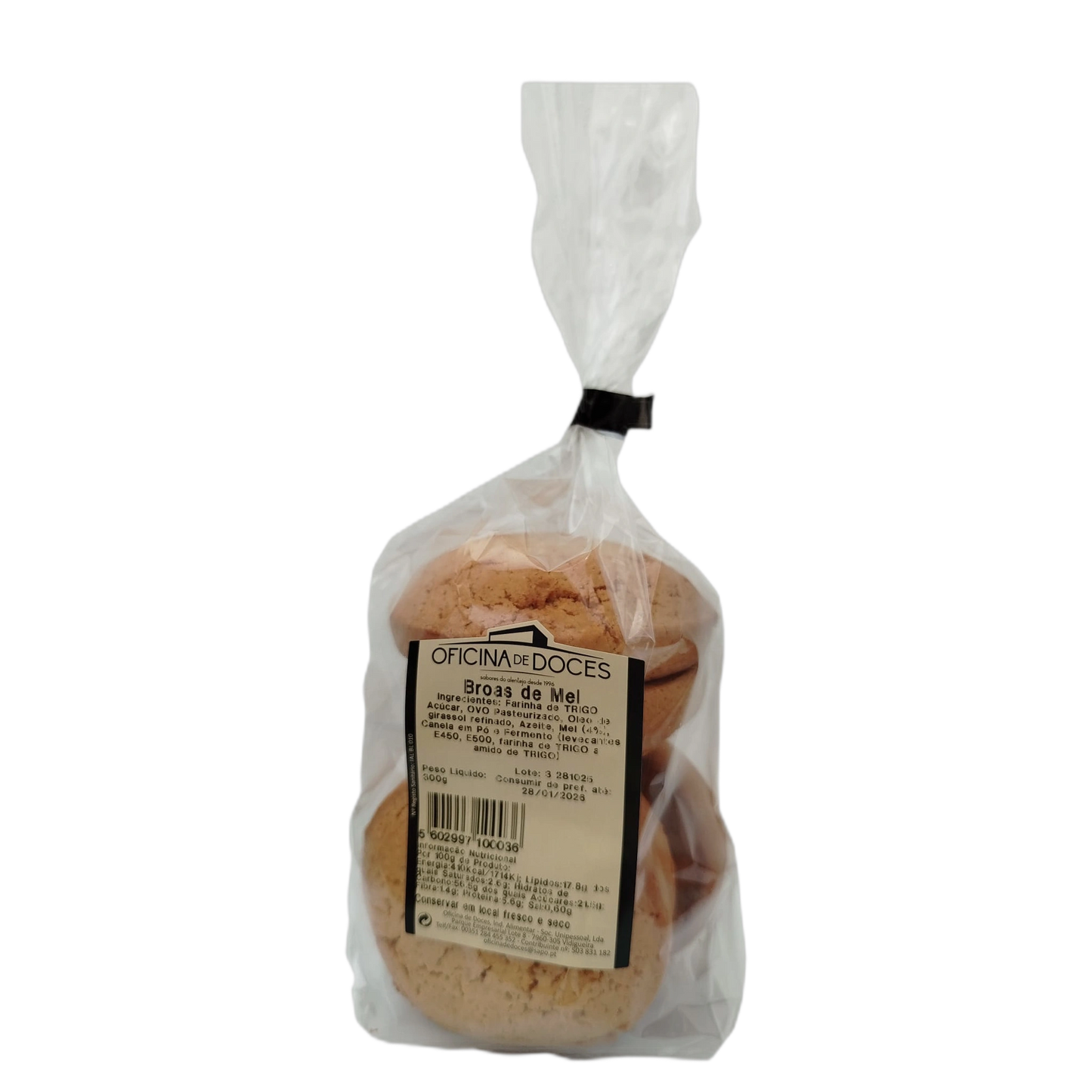
If you would like to add another ready-made sweet to the dessert spread, try Honey Biscuits. They are an independent suggestion to serve on the side, not an ingredient or a substitute for the pine nuts.
Make ahead
You can prepare these sweets the day before. Let them cool completely before storing them in a tightly sealed container in a cool, dry place, separating the layers with baking paper. Avoid humidity, which makes the sugar coating sticky.
More Alentejo sweets
For a spoon dessert, discover our Alcáçovas Rice Pudding without Eggs, made with milk, lemon and cinnamon.
Source and adaptations
Alentejo Gastronomic Guide (2013), p. 964, “Pine nut cake”, Alcácer do Sal. Interview with Aldegundes Freitas by Inês Olaio Marques, ADL, in 2012.
Recipe recorded in the Alentejo and adapted by Herdade do Estacal for the “À Mesa com o Alentejo” blog. The source lists sugar, water and pine nuts, without quantities or specifying the stage to which the sugar should be cooked. It says to combine all three in the pan and shape small mounds with a spoon on a dampened table. In this version, we set suggested quantities, caramelise the sugar and water first, then add the warm pine nuts and spread the mixture on silicone to cut it into triangles. The amber caramel and triangular shape follow the visual reference provided for this adaptation; they are not explicitly described in the Guide. Yield and timings are estimates. The wine pairing and biscuits served on the side are our suggestions.
Illustrative image generated for this article.